
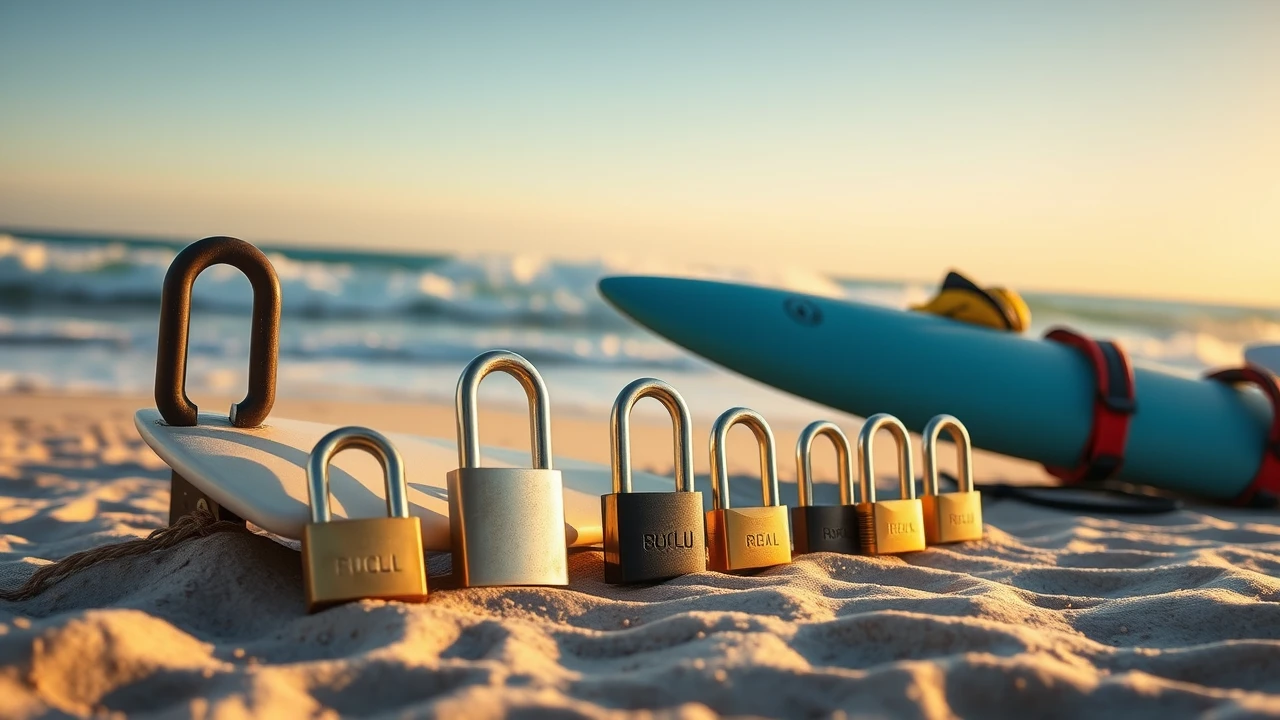
When it comes to protecting your valuable surf gear and outdoor equipment, choosing the right lock can make all the difference. The harsh marine environment—with its saltwater, sand, and unpredictable weather—demands locking solutions that are not only secure but also durable and corrosion-resistant. Whether you're a casual beachgoer or a dedicated water sports enthusiast, understanding which type of lock suits your specific needs is key to safeguarding your belongings.
In this article, we’ll break down the primary types of locks and keys designed for coastal and outdoor use, explore their ideal use cases, and provide practical tips to help you select the perfect match for your lifestyle and gear.
Understanding the Core Requirements for Marine Locks
Before diving into lock types, it’s important to grasp the unique challenges these locks face:
- Corrosion Resistance: Saltwater and sea air accelerate rust and material degradation.
- Heavy-Duty Construction: Locks must withstand impact, attempts at tampering, and daily wear.
- Weatherproof Design: Protection against rain, sand, and UV exposure ensures long-term reliability.
- User-Friendly Operation: Ease of use through keyed or combination mechanisms, with features like resettable codes.
- Portability: Locks should be lightweight and compact without compromising strength.
These factors influence which lock type performs best in various use scenarios.
Keyed Padlocks: Classic Security for Reliable Access Control
Ideal Use Cases
- Securing surfboards to racks or beach lockers
- Locking wetsuit bags and storage containers
- Outdoor lockers at gyms or beaches where key management is preferred
Characteristics and Benefits
Keyed padlocks are traditional, trusted solutions that provide strong physical security with a simple yet effective locking mechanism. Marine-grade keyed locks typically feature bodies and shackles made from stainless steel or brass alloys, offering excellent corrosion resistance. The key advantage is the controlled access—only those with a physical key can unlock it, reducing the risk of unauthorized entry.
Many models incorporate weatherproof covers or sealed keyholes to prevent moisture intrusion, helping maintain smooth operation in wet conditions. Some heavy-duty versions include reinforced shackles and anti-cut features to resist bolt cutters and prying.
Practical Tips
- Choose a lock with a double-bolted shackle for enhanced security against leverage attacks.
- Keep a spare key in a waterproof container or with a trusted companion to avoid lockouts.
- Regularly lubricate keyholes with a silicone-based spray to prevent salt buildup.
Who Should Choose Keyed Padlocks?
If you prefer straightforward access control without memorizing codes, or if your gear is stored in a semi-permanent location where carrying a key is convenient, keyed padlocks are an excellent choice. They suit surfers who want robust, corrosion-resistant locks with minimal fuss.
Combination Padlocks: Convenient and Flexible Security
Ideal Use Cases
- Temporary locking of surf lockers or gear bags
- Securing bicycles or travel luggage during coastal trips
- Users who want keyless access and easy code reset
Characteristics and Benefits
Combination padlocks eliminate the need for keys by using numeric or alphanumeric codes. Marine-grade combination locks feature corrosion-resistant materials such as stainless steel and marine-grade plastics that protect internal components from saltwater damage. Many include resettable combinations, allowing users to change the code based on preference or shared access needs.
These locks strike a balance between convenience and security, making them popular for active users who frequently access their gear without carrying extra keys. Weatherproof seals and rugged construction improve lifespan in outdoor environments.
Practical Tips
- Choose a lock with a shroud or covered dials to protect the combination mechanism from sand and moisture.
- Select models with a minimum of 4-digit codes to increase security complexity.
- Memorize your combination or store it securely offline—avoid writing it on the lock itself.
Who Should Choose Combination Padlocks?
Combination locks are ideal for beachgoers and surfers who value quick, keyless access and the flexibility to update codes regularly. They are especially handy for group or family outings where multiple people may need access without duplicating keys.
Heavy-Duty Security Locks: Maximum Protection for High-Value Gear
Ideal Use Cases
- Securing expensive surfboards and boards stored in communal racks
- Protecting outdoor storage sheds or bike racks in coastal environments
- Users requiring resistance against advanced tampering or theft attempts
Characteristics and Benefits
Heavy-duty security locks are engineered with reinforced shackles, hardened steel bodies, and advanced locking mechanisms designed to resist cutting, drilling, and picking. In marine settings, these locks are constructed from premium corrosion-resistant alloys, sometimes featuring protective covers or shrouds that shield vulnerable parts from attacks and environmental damage.
Though heavier than standard locks, these provide peace of mind where maximum security is a priority. Many come with keyed or combination options, allowing users to select their preferred access method without sacrificing strength.
Practical Tips
- Look for locks with boron steel or molybdenum-infused shackles for superior cut resistance.
- Opt for locks with a closed shackle design to minimize exposed areas accessible to bolt cutters.
- Consider models with weatherproof covers to extend lock lifespan in salty, wet conditions.
Who Should Choose Heavy-Duty Security Locks?
Dedicated surfers, professional water sports operators, or outdoor adventurers storing expensive equipment in shared or unsecured locations benefit most. The enhanced durability and tamper-proof features justify the slightly increased weight and cost.
Corrosion-Resistant Marine Locks: Designed Specifically for Coastal Challenges
Ideal Use Cases
- Everyday locking needs around beaches, docks, and marine environments
- Securing gear where exposure to salt spray and sand is constant
- Users prioritizing long-term reliability in extreme weather
Characteristics and Benefits
Marine locks are specialized products built to withstand the corrosive effects of saltwater and coastal conditions. They typically feature stainless steel bodies, brass components, or high-grade marine alloys combined with sealed mechanisms to prevent salt ingress. Weatherproof coatings and UV-resistant materials further enhance resilience.
These locks balance moderate security with outstanding durability, making them suitable for both casual and serious users who need dependable protection without frequent replacement.
Practical Tips
- Rinse locks with fresh water after exposure to saltwater to reduce salt buildup.
- Store locks in shaded or covered areas when not in use to minimize UV degradation.
- Periodically check and clean moving parts to maintain smooth operation.
Who Should Choose Corrosion-Resistant Marine Locks?
If you frequent the beach or waterways and want a lock that can endure the elements day after day, marine locks offer an excellent combination of corrosion resistance, ease of use, and moderate security.
Matching Locks to Your Skill Level and Needs
Beginners and Casual Users
- Recommended Locks: Combination padlocks or corrosion-resistant keyed locks
- Why: These offer ease of use and low maintenance, with sufficient security for less frequent or lower-risk applications.
Intermediate Users and Regular Beachgoers
- Recommended Locks: Heavy-duty corrosion-resistant keyed or combination locks
- Why: These users need a balance of security, durability, and convenience for frequent use and moderate-value gear.
Professional and Serious Enthusiasts
- Recommended Locks: Premium heavy-duty security locks with marine-grade corrosion resistance
- Why: High-value equipment demands top-tier protection against theft and environmental damage.
Additional Tips for Securing Surf Gear Effectively
- Use Multiple Locks: Secure different parts of your gear—board racks, wetsuit bags, and lockers—with separate locks to deter thieves.
- Anchor Points: Always attach locks to fixed, immovable objects that cannot be easily dismantled.
- Conceal Your Gear: When possible, store surfboards and equipment out of plain sight to reduce temptation.
- Routine Maintenance: Regularly clean and lubricate locks, especially after exposure to saltwater, to prolong functionality.
- Record Keeping: Document key numbers or combinations securely to avoid lockouts or loss.
Conclusion
Selecting the right lock for your surf gear and outdoor equipment hinges on your specific use case, environment, and security needs. Keyed padlocks offer traditional, reliable access control; combination locks provide convenience and flexibility; heavy-duty security locks deliver maximum protection; and corrosion-resistant marine locks ensure long-lasting durability in coastal conditions.
By understanding these product types and their features, you can confidently choose a lock that delivers peace of mind, withstands harsh environments, and matches your activity level—helping you focus on enjoying the waves without worry.
Remember, a good lock is an investment in protecting your passion and gear. Prioritize corrosion resistance, robust construction, and ease of use to find the best fit for your outdoor adventures.