
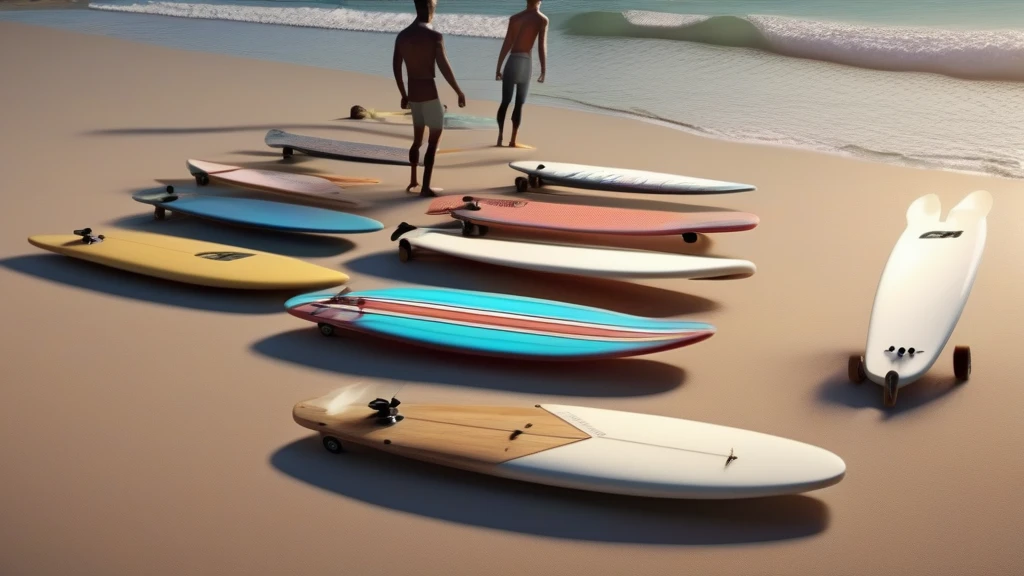
Longboard surfboards have long held a special place in the hearts of surfers around the world. Known for their smooth, stable rides and classic style, longboards offer a versatile platform suitable for a range of surfing styles and skill levels. But with so many variations in length, tail shape, rocker profile, materials, and fin setups, choosing the right longboard surfboard can feel overwhelming. This article breaks down the different types of longboard surfboards and matches them to specific use cases, activities, skill levels, and user needs to help you find the perfect board for your surfing journey.
Understanding Longboard Surfboard Basics
Before diving into use cases, it’s important to understand a few key characteristics that define longboard surfboards:
- Length: Most longboards range from 8'0" to 10'0". Longer boards generally offer more stability and glide, ideal for cruising and noseriding.
- Tail Shape: Common tail shapes include round, squash, pin, swallow, and square, each affecting maneuverability and wave control.
- Rocker Profile: This describes the curve of the board from nose to tail, ranging from flat to moderate to high or continuous. Rocker influences speed, turning, and wave compatibility.
- Materials: Construction can include polyurethane foam cores wrapped in fiberglass, epoxy resin, and increasingly, carbon fiber reinforcements for lightweight strength. Eco-friendly materials and processes are gaining popularity.
- Fin Setup: Popular configurations include single fin, 2+1 (single fin plus two side fins), thruster, and quad setups. Fin systems impact stability, turning ability, and overall control.
- Safety & Durability: Boards often feature UV-resistant coatings, impact-resistant edges, and safety certifications (ISO, CE, TÜV) to ensure long-term use and protection.
Use Case 1: Beginners Seeking Stability and Ease of Use
Ideal Features:
- Length: 9'0" to 10'0" – longer boards provide maximum stability and paddle power.
- Tail Shape: Wide squash or round tail for forgiving turns and balance.
- Rocker Profile: Flat to moderate rocker to maximize glide and easy wave catching.
- Materials: Soft top or lightweight epoxy boards with anti-slip decks for added safety.
- Fin Setup: Single fin or 2+1 configuration offering straightforward handling.
Why It Works:
Beginners benefit from boards that prioritize stability and ease of paddling. Soft top longboards with wider designs help new surfers gain confidence by reducing the risk of slipping and providing a solid platform to practice standing and balance. Flat rocker profiles assist in catching small waves with minimal effort. The simple fin setups keep maneuvering manageable while maintaining control.
Example Scenario:
A beginner learning to surf in small beach break waves will find a 9’6” epoxy longboard with a wide squash tail and single fin setup ideal. The board’s lightweight construction eases transport, while the anti-slip deck and soft edges reduce injury risk during early falls.
Use Case 2: Recreational Riders Wanting Reliable and Eco-Conscious Equipment
Ideal Features:
- Length: 8'6" to 9'6" for a balance of portability and performance.
- Tail Shape: Moderate squash or round tail to blend control with smooth cruising.
- Rocker Profile: Moderate rocker to handle varied wave conditions.
- Materials: Boards constructed with sustainable, recyclable foam cores, bio-resins, and carbon fiber reinforcements.
- Fin Setup: Adjustable 2+1 or thruster fin systems for versatile wave riding.
- Certifications: ISO or CE certified for safety and quality assurance.
Why It Works:
Surfers who enjoy weekend sessions and seek environmentally responsible gear will appreciate boards crafted with sustainable materials and manufacturing processes. Moderate rocker profiles and versatile tail shapes allow riding in a variety of waves, while adjustable fins offer performance customization. The combination of durability and eco-conscious design means these boards last longer with a smaller carbon footprint.
Example Scenario:
A recreational surfer who values sustainability might choose a 9’0” longboard featuring a polyurethane foam core with bio-resin lamination and a carbon fiber stringer for strength. The board’s moderate squash tail and 2+1 fin setup provide smooth turns in beach breaks, and the included carry bag made from recycled materials adds convenience.
Use Case 3: Freestyle Surfers Prioritizing Maneuverability and Lightweight Design
Ideal Features:
- Length: 8'0" to 9'0" for quicker responsiveness.
- Tail Shape: Squash or swallow tail to enhance sharp turns and tricks.
- Rocker Profile: Moderate to high rocker for aerials and dynamic maneuvers.
- Materials: Lightweight epoxy or carbon fiber reinforced boards for agility.
- Fin Setup: Thruster or quad fins to maximize speed and control.
- Additional Features: Foldable fin designs for transport ease.
Why It Works:
Freestyle surfers need boards that respond quickly and support a variety of tricks, including cutbacks, spins, and aerials. A shorter longboard with a higher rocker allows for sharper turns and better wave responsiveness. Lightweight constructions using epoxy and carbon fiber reduce fatigue during extended sessions and improve maneuverability. Thruster or quad fin setups provide the speed and grip necessary for advanced freestyle moves.
Example Scenario:
An advanced surfer focusing on freestyle might pick an 8’6” epoxy longboard with a swallow tail and thruster fin setup. The moderate rocker enables aggressive maneuvers, while the carbon fiber reinforcements keep the board light but durable. A foldable fin system assists with travel and storage.
Use Case 4: Advanced Surfers Focused on Classic Longboarding and Noseriding
Ideal Features:
- Length: 9'6" to 10'0" for stability on the nose.
- Tail Shape: Rounded pin or round tail ideal for smooth noseriding.
- Rocker Profile: Flat to moderate continuous rocker for glide and control.
- Materials: Fiberglass with polyurethane foam core, sometimes with carbon fiber strips for stiffness.
- Fin Setup: Single fin or classic 2+1 setup for traditional feel.
- Safety Features: Impact-resistant edges and UV coatings for durability.
Why It Works:
Classic longboarding enthusiasts value the timeless style of smooth noseriding and cruising. Longer boards with rounded tails and flat rocker profiles glide effortlessly across waves, offering the balance needed to walk to the nose. Traditional fin setups preserve the authentic feel and control expected in classic longboarding. Durable fiberglass construction with reinforced stiffeners enhances board longevity and performance.
Example Scenario:
A proficient surfer focused on classic style might choose a 9’10” fiberglass longboard with a round pin tail and single fin setup. The board’s flat continuous rocker supports long glides and smooth noserides, while UV-resistant coating and impact protection ensure the board withstands frequent use.
Additional Considerations When Choosing Your Longboard Surfboard
Portability and Travel Convenience
If you plan to travel with your longboard, consider boards constructed from lightweight epoxy or carbon fiber materials. Features like foldable fins and included carry bags enhance transport ease. Some boards also have smooth edges and impact-resistant coatings to prevent damage during transit.
Safety and Durability
Look for surfboards with internationally recognized safety certifications (ISO, CE, TÜV). UV-resistant coatings protect against sun damage, while impact-resistant rails and rounded edges minimize injury risk. Soft top decks or anti-slip surfaces add extra grip, especially important for beginners.
Fin Setup Versatility
Many longboards come with fin systems that allow you to switch between single fin, 2+1, thruster, or quad configurations. Adjustable or removable fins can help you tailor the board’s handling to different wave conditions and surfing styles.
Eco-Friendliness
If sustainability matters to you, seek out boards made with recyclable foam cores, bio-based resins, and carbon fiber reinforcements produced under low-impact manufacturing processes. Some manufacturers also offer repair kits to extend the life of your surfboard and reduce waste.
Conclusion
Selecting the right longboard surfboard depends largely on your surfing goals, skill level, and preferences. Beginners benefit from stable, wider boards with soft tops and flat rockers, while freestyle surfers prefer shorter, lighter boards with responsive tails and fin setups. Recreational surfers often want a balance of eco-conscious materials and versatile performance, and advanced longboarders seek classic designs optimized for smooth noseriding and traditional style.
By understanding how length, tail shape, rocker profile, materials, fin configurations, and safety features align with specific use cases, you can make an informed decision that enhances your surfing experience. Whether you’re just starting out, cruising weekend waves, pushing freestyle tricks, or mastering the art of noseriding, the perfect longboard surfboard is out there waiting to glide beneath your feet.