
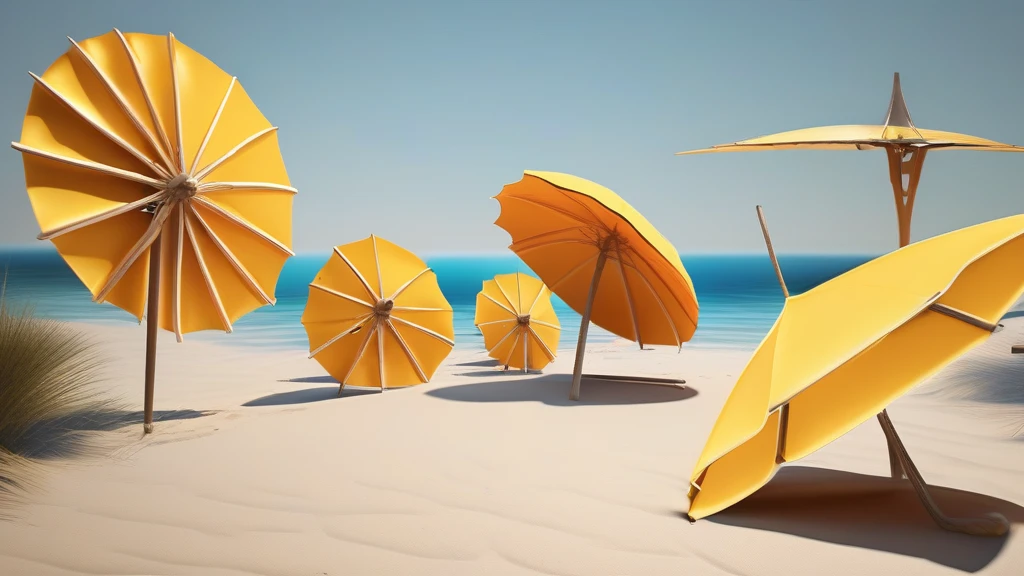
Choosing the right parasol can transform your outdoor experience, providing essential sun protection and comfort tailored to your specific needs. With so many options available—each designed for different activities, environments, and user preferences—understanding which parasol suits your lifestyle is key. In this guide, we’ll break down the main parasol types based on common use cases, helping you navigate features like canopy size, UV protection, durability, portability, and stability systems to find your perfect match.
Understanding Parasols: Key Features to Consider
Before diving into specific scenarios, it’s important to grasp the core characteristics that define parasols in today’s market:
- UV Protection: Look for parasols with certified high UPF ratings, typically UV50+ to UV80+, which shield you effectively from harmful ultraviolet rays.
- Canopy Size: Common diameters range from 6 to 10 feet, influencing the shade area and portability.
- Material Quality: Eco-friendly, quick-dry, water-resistant fabrics combined with rustproof aluminum or steel poles ensure durability and sustainability.
- Wind Resistance: Features like double-vented canopies and reinforced ribs add stability in breezy conditions.
- Adjustability: Tiltable canopies, multi-angle adjustments, and height customization improve shade coverage throughout the day.
- Portability: Lightweight frames, foldable designs, and included carry bags make parasols easy to transport.
- Anchoring Systems: Depending on terrain, options include sand anchors, screw-in bases, weighted bags, and clamp bases.
With these in mind, let’s explore how different parasol types align with specific outdoor activities and user needs.
1. Beach Lovers: Lightweight, Portable, and Sand-Stable Parasols
Why Beach Parasols Need to Be Special
Beachgoers demand parasols that are easy to carry over sand, quick to set up, and resilient against coastal winds and sun exposure. The fine sand and open sky create unique challenges that influence parasol design.
Key Features for Beach Use
- Canopy Size: A moderate 6-7 feet diameter offers a good balance between shade coverage and portability.
- UV Protection: High UPF ratings (UV70+ or more) are crucial to protect against intense sun exposure.
- Materials: Water-resistant, quick-dry fabrics ensure parasols dry rapidly after contact with sea spray or mist.
- Anchoring: Specialized sand anchors or screw-in bases designed for loose terrain keep parasols stable.
- Portability: Lightweight aluminum poles and compact fold designs with carry bags facilitate easy transport.
Practical Example
A beach parasol with a 7-foot double-vented canopy made from recycled polyester fabric offers both environmental benefits and wind resistance. Its rustproof aluminum pole and screw-in sand anchor ensure stability, while the tilt adjustment helps track the sun’s movement during long beach days.
2. Campers and Picnic Enthusiasts: Durable, Multi-Adjustable Parasols
Why Campers Need Versatility and Durability
Outdoor campers and picnic lovers utilize parasols in varied terrains—grassy fields, dirt grounds, or rocky areas—often for extended periods. They need parasols that combine rugged durability with flexibility in shade direction.
Key Features for Camping and Picnics
- Canopy Size: Larger canopies, around 8-10 feet in diameter, provide ample shade for groups and gear.
- UV Protection: UV50+ or higher-rated canopies with multi-layer coatings enhance sun safety.
- Materials: Tear-resistant, eco-friendly fabrics paired with rustproof steel poles withstand rough use and weather.
- Wind Resistance: Reinforced ribs and double-vented designs combat gusts without sacrificing stability.
- Adjustability: Multi-angle tilt and height customization allow shade to be optimized throughout the day.
- Anchoring: Weighted bags or clamp bases suit uneven or hard ground.
Practical Example
A campsite parasol featuring an 8-foot canopy with a double-vented top offers superior airflow to reduce wind stress. The steel pole and weighted base system provide solid anchorage on grass or dirt. Its tiltable canopy and height adjustability enable campers to customize shade as the sun shifts.
3. Patio and Garden Users: Stylish, Stable, and Eco-Conscious Parasols
Why Patio Parasols Focus on Style and Sustainability
Patio and garden parasols often serve as both functional shade and aesthetic enhancements. Users prioritize eco-friendly materials and designs that complement outdoor decor while offering reliable sun protection.
Key Features for Patio Use
- Canopy Size: Larger canopies up to 10 feet provide shaded areas for dining or lounging.
- UV Protection: High UPF ratings (UV80+) with multi-layered coatings ensure excellent protection.
- Materials: Sustainable fabrics such as recycled canvas combined with rustproof aluminum poles reflect environmental consciousness.
- Wind Resistance: Double-vented, tear-resistant canopies and reinforced ribs improve durability during breezy weather.
- Adjustability: Multi-angle and height adjustments offer flexibility in shading options.
- Anchoring: Clamp bases or heavy weighted bags stabilize parasols without damaging patio surfaces.
Practical Example
A garden parasol with a 10-foot canopy made of eco-friendly, water-resistant fabric provides ample shade for outdoor dining. Its elegant rustproof aluminum pole and clamp base secure it firmly to patio tables or decks. The multi-directional tilt lets users adjust shade for comfort and style throughout the day.
4. Casual Users: Compact, Easy-to-Use Parasols for Everyday Outdoor Activities
Why Casual Users Benefit from Simplicity and Portability
For those who occasionally enjoy picnics, park visits, or backyard relaxation, compact parasols that are easy to deploy and transport are ideal.
Key Features for Casual Use
- Canopy Size: Smaller canopies around 6 feet accommodate 1-2 people comfortably.
- UV Protection: UV50+ fabric ensures essential sun safety without bulk.
- Materials: Lightweight, quick-dry fabrics and aluminum poles simplify carrying and setup.
- Wind Resistance: Basic venting and moderate rib reinforcement protect against light breezes.
- Portability: Foldable designs with included carry bags enhance convenience.
- Anchoring: Simple weighted bags or sand anchors are sufficient.
Practical Example
A compact parasol with a 6-foot canopy made of quick-dry polyester and a foldable aluminum pole fits easily into a carry bag. It offers UV50+ protection and basic venting to withstand gentle winds, making it perfect for spontaneous outings.
Additional Considerations When Choosing Your Parasol
UV Protection Ratings: What They Mean for Your Health
Understanding UPF ratings helps you select parasols that effectively block harmful UV rays. A UV50+ rating blocks 98% of ultraviolet radiation, while UV80+ offers even higher protection. This is vital for preventing sunburn, premature skin aging, and reducing skin cancer risk.
Anchoring Systems: Matching Stability to Terrain
- Sand Anchors: Ideal for beach sand, these screw deeply to secure the pole.
- Weighted Bags: Filled with sand or water, they stabilize parasols on grass, patios, or uneven terrain.
- Clamp Bases: Attach securely to tables or railings, perfect for patios or decks.
- Screw-In Bases: Provide firm anchorage in soil or grass, common in camping setups.
Maintenance Tips to Prolong Parasols’ Lifespan
- Regularly clean canopies with mild soap and water to prevent dirt buildup.
- Store parasols dry and folded in carry bags to avoid mildew.
- Inspect ribs and poles for damage after windy days.
- Lubricate adjustable joints occasionally to maintain smooth operation.
- Use protective covers when not in use for extended periods.
Environmental Impact: Choosing Eco-Friendly Parasols
Many modern parasols incorporate sustainable fabrics made from recycled materials and recyclable metal components. Choosing these products supports environmental responsibility and reduces your ecological footprint while enjoying outdoor leisure.
Conclusion: Matching Parasols to Your Lifestyle
Selecting the right parasol hinges on your typical outdoor activities, environmental conditions, and personal preferences:
- Beach enthusiasts benefit from lightweight, sand-anchored parasols with moderate canopy size and high UV protection.
- Campers and picnic lovers require durable, large canopies with versatile anchoring and strong wind resistance.
- Patio users look for stylish, eco-conscious parasols that combine large coverage with stable clamp or weighted bases.
- Casual users enjoy compact, easy-to-use parasols that provide essential sun protection on the go.
By considering canopy size, UV protection, materials, wind resistance, adjustability, portability, and anchoring systems, you can confidently choose a parasol that enhances your outdoor experience while promoting sun safety and sustainability.
Enjoy your time outdoors with the perfect parasol tailored just for you!