
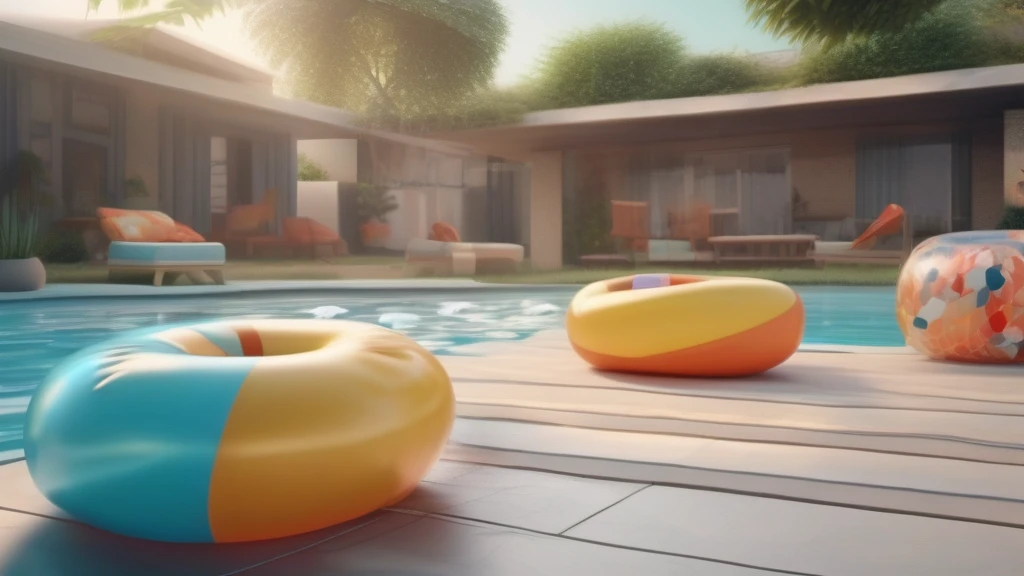
Pool floats have become a staple for enhancing outdoor water fun, whether in backyard pools, lakes, or calm coastal waters. These inflatable accessories are designed to elevate relaxation, socializing, and mild water adventure in safe, enjoyable ways. But with so many types of pool floats available — differing in design, size, capacity, and features — choosing the right one can be overwhelming.
This guide breaks down the most common pool float types by specific use cases, activities, skill levels, and user needs. By understanding the characteristics and optimal applications of each float style, you can make an informed decision that maximizes comfort, safety, and fun for yourself and your crew.
Understanding Pool Float Types and Features
Before diving into use cases, it’s helpful to review the key product characteristics common to pool floats:
- Design Styles: The two primary forms are sit-in floats and lay-on-top floats.
- Sit-in floats feature a recessed seating area or cup-like design that offers more stability and support.
-
Lay-on-top floats provide a flat, open surface ideal for stretching out and sunbathing.
-
Capacity: Floats range from single-user models to those that accommodate up to four people, catering to individual relaxation or group socializing.
-
Materials: Durable, puncture-resistant vinyl or PVC is standard, ensuring floats can withstand extended use and occasional towing behind boats.
-
Color and Visibility: Bright, eye-catching colors like yellow, orange, red, and blue not only elevate style but also enhance safety by improving visibility on the water.
-
Comfort and Ergonomics: Many floats incorporate contoured shapes, built-in headrests, or armrests to enhance lounging comfort.
-
Portability and Ease of Use: Lightweight construction and easy inflation mechanisms make setup and transport hassle-free.
Use Case 1: Solo Relaxation and Sunbathing
Best Float Type: Lay-On-Top Floats Designed for One
If your goal is peaceful, solitary relaxation — think reading a book, catching some sun, or drifting quietly on calm water — a single-user lay-on-top float is ideal. These floats typically have a broad, flat surface with ergonomic contours that support your back and neck. Some include integrated headrests or cup holders for added convenience.
Why it works:
- The open design allows you to stretch out fully and soak up the sun.
- Lightweight and easy to maneuver, perfect for small pools or lake outings.
- Vibrant colors like sunny yellow or ocean blue provide a cheerful aesthetic and good visibility.
Example features to look for:
- Smooth, soft vinyl material for comfort.
- Stability-enhancing shapes to prevent tipping.
- Compact size for easy storage and inflation.
Use Case 2: Socializing With Friends and Family
Best Float Type: Multi-Person Sit-In or Lay-On-Top Floats
For pool parties, family gatherings, or group lake days, floats designed to hold two to four people foster social interaction and shared fun. These larger floats often combine sit-in seating areas with ample space for multiple users to lounge comfortably.
Why it works:
- Sit-in designs provide stability for multiple users, reducing the risk of tipping during conversation or play.
- Spacious layouts encourage group bonding without crowding.
- Bright colors like red or orange add vibrancy to social settings and enhance water visibility for safety.
Example features to look for:
- Sturdy, reinforced seams and thicker vinyl for durability under group use.
- Integrated cup holders and armrests for convenience.
- Multiple air chambers to maintain float integrity even if one section deflates.
Use Case 3: Gliding and Gentle Water Adventure
Best Float Type: Towable Sit-In Floats or Hybrid Designs
For users looking to add a mild thrill to their water experience — such as being towed behind a boat or gliding across a lake — floats designed with stability and durability in mind are essential. Sit-in floats with secure seating and reinforced construction provide a safe platform for these activities.
Why it works:
- Durable materials resist punctures and tears from towing or light impact.
- Ergonomic seating keeps riders secure during movement.
- Often equipped with tow rings or attachment points for safe connection to boats.
Example features to look for:
- Heavy-duty PVC with double-layered bottoms.
- Multiple air chambers for added safety.
- Comfortable seating with backrests and handles.
Use Case 4: Introducing Kids and Beginners to Water Fun
Best Float Type: Small, Stable Sit-In Floats with Safety Features
For children or novice swimmers, stability and safety are paramount. Sit-in floats with low centers of gravity and secure seating help build water confidence while minimizing the risk of tipping or slipping off.
Why it works:
- Enclosed seating areas provide a sense of security.
- Bright, high-visibility colors make it easy to keep an eye on young users.
- Lightweight and easy to inflate, facilitating quick setup.
Example features to look for:
- Safety valves and reliable inflation systems.
- Soft, flexible materials that are comfortable but sturdy.
- Compact size tailored to smaller body frames.
Use Case 5: Pool Parties and Creative Gatherings
Best Float Type: Themed and Specialty Lay-On-Top Floats
If your focus is on fun, style, and making a splash at social events, then vibrantly colored, uniquely shaped floats can elevate the vibe. From giant inflatable pizzas to whimsical animals, these floats are conversation starters and photo-ready props for pool parties.
Why it works:
- Eye-catching designs add flair and visual interest.
- Large surface areas invite multiple users to lounge and interact.
- Durable materials ensure they withstand the excitement of social use.
Example features to look for:
- Bold, multi-color printing with UV-resistant coatings.
- Extra-large sizes for group lounging.
- Built-in handles or cup holders for practicality.
Practical Tips for Choosing the Right Pool Float
- Consider Your Primary Activity: Lounging alone? Choose a lay-on-top float. Socializing? Look for multi-person sit-in options.
- Match Float Size to Space: Larger floats need ample pool or lake surface area to avoid overcrowding.
- Prioritize Material Quality: Durable, puncture-resistant vinyl extends float lifespan and improves safety.
- Think About Portability: Lightweight and easy-to-inflate models simplify transport and storage.
- Safety First: For children and beginners, opt for floats with secure seating and high visibility.
- Color Visibility: Bright colors not only look great but help you spot your float easily on the water.
Maintaining Your Pool Float for Longevity
To enjoy your pool float season after season:
- Inflate Properly: Avoid overinflation which can stress seams.
- Store Dry and Cool: Keep floats in shaded, dry areas to prevent material degradation.
- Clean Regularly: Rinse off chlorine, saltwater, and debris with fresh water after use.
- Inspect for Damage: Patch punctures promptly to prevent air leaks.
- Avoid Rough Surfaces: Use floats on calm water and avoid dragging on abrasive pool decks.
Conclusion
Selecting the right pool float ultimately depends on how you plan to use it. Whether it’s solitary sunbathing, lively group socializing, mild water gliding, or safe kid-friendly fun, there is a pool float design tailored to your needs. By considering key factors like design type (sit-in vs. lay-on-top), capacity, material durability, and user skill level, you can find a float that enhances your water leisure experience with comfort, style, and safety.
With the right pool float, your backyard pool, lake outing, or beach day becomes a memorable occasion filled with relaxation, laughter, and effortless aquatic enjoyment.