
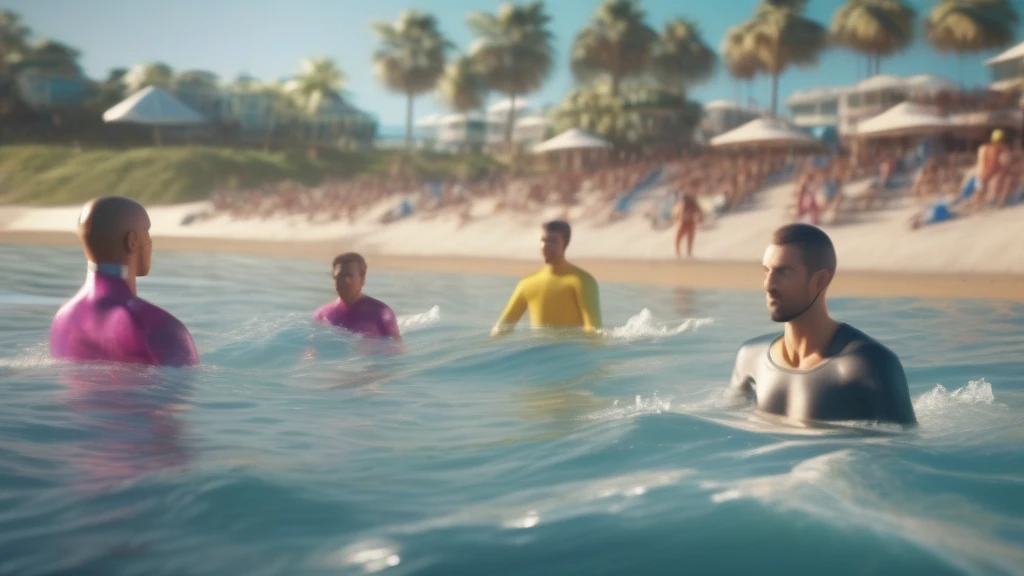
When it comes to water sports and outdoor aquatic activities, selecting the right rash guard or swim shirt can make a significant difference in comfort, protection, and performance. Rash guards are specialized apparel designed to shield your skin from sunburn, abrasions, and temperature fluctuations while offering unrestricted movement. However, with a range of materials, sleeve lengths, fits, and features available, choosing the ideal rash guard tailored to your specific activity, climate, and skill level can be challenging.
This comprehensive guide breaks down the types of rash guards and swim shirts by their best use cases, helping you make an informed decision. Whether you're a casual beach-goer, a competitive surfer, a parent shopping for your child, or an athlete training in high-impact watersports, understanding the nuances of these garments will enhance your experience on the water.
Understanding Rash Guard Materials and Their Use Cases
Rash guards come in various fabric compositions, each engineered to address particular needs related to comfort, protection, and thermal regulation.
Neoprene Rash Guards: For Cold Water and Thermal Protection
- Material Characteristics: Neoprene is a synthetic rubber known for its excellent insulation properties. Rash guards made with neoprene typically offer some thickness, which helps retain body heat in cooler water conditions.
- Best For: Cold water surfing, diving, paddleboarding in cooler climates, and watersports where thermal insulation is critical.
- Additional Features: Neoprene variants often provide enhanced abrasion resistance, making them ideal for rugged use.
- Example Use Case: A surfer in temperate coastal waters benefits from a long-sleeve neoprene rash guard that keeps muscles warm and reduces fatigue.
Lycra and Spandex-Based Rash Guards: Lightweight and Breathable Comfort
- Material Characteristics: Lycra and spandex fabrics are highly stretchable, breathable, and quick-drying. These materials create a snug, second-skin fit that moves with your body.
- Best For: Warm or tropical climates, swimming, paddleboarding, snorkeling, and casual beach activities.
- Additional Features: These rash guards often include UPF (Ultraviolet Protection Factor) ratings for sun safety and come in vibrant colors for visibility.
- Example Use Case: A swimmer training in a sunny outdoor pool benefits from a short-sleeve Lycra rash guard with high UV protection and moisture-wicking properties.
Matching Rash Guard Styles to Activities and Skill Levels
Different water sports and skill levels demand specific features from rash guards to optimize performance and protection.
Casual Beach-Goers and Recreational Swimmers
- Recommended Features: Lightweight Lycra or spandex rash guards with short or three-quarter sleeves, medium UV protection, and easy-to-wear fits.
- Why: These users prioritize comfort, sun protection, and quick drying for occasional water exposure.
- Sizing Tip: Look for styles with a relaxed yet snug fit to avoid chafing without feeling restrictive.
- Example: A family spending a day at the beach may choose bright, short-sleeve rash guards for children and adults that dry quickly and provide basic sun protection.
Surfers and Paddleboarders: Need for Durability and Flexibility
- Recommended Features: Long-sleeve rash guards made from a blend of Lycra and spandex or neoprene for colder waters. Emphasis on abrasion resistance and flexibility.
- Why: These sports involve frequent contact with boards and rough surfaces, requiring abrasion protection and freedom of movement.
- Skill Level Consideration: Beginners may prefer simpler Lycra-based options for comfort, while advanced surfers might opt for neoprene blends for added warmth and durability.
- Example: An experienced surfer in chilly ocean waters would benefit from a long-sleeve neoprene rash guard offering thermal insulation and a tight fit that prevents water seepage.
Combat Sports and High-Impact Water Training
- Recommended Features: Heavy-duty, durable rash guards with reinforced stitching and compression fit, often made of spandex and elastane blends.
- Why: Activities like grappling or MMA training in aquatic environments require garments that withstand friction and provide muscle support.
- Additional Benefits: Compression aids in muscle recovery and reduces fatigue.
- Example: A practitioner of combat sports training in a pool setting would choose a long-sleeve, spandex-rich rash guard designed for abrasion resistance and maximum stretch.
Rash Guards for Children: Safety, Comfort, and Fit
Parents selecting rash guards for kids should focus on protection, comfort, and ease of use.
- Material Choice: Lightweight Lycra or spandex rash guards with high UPF ratings to protect sensitive skin.
- Fit and Sizing: Look for sizes ranging from youth XS upwards, ensuring a snug but not tight fit that allows freedom of movement.
- Design Features: Bright colors for visibility, flatlock seams to prevent irritation, and tagless designs for added comfort.
- Practical Tip: Choose rash guards with longer sleeves for extended sun exposure or short sleeves for quick drying during active play.
- Example: A youth rash guard in vibrant blue with UV protection and stretchable fabric makes it easier for children to enjoy water play safely.
Key Considerations When Choosing Rash Guards
Sleeve Length: Balancing Coverage and Mobility
- Short Sleeve: Best for warm weather, swimming, and casual water activities.
- Long Sleeve: Offers maximum sun protection, abrasion resistance, and thermal insulation.
- Three-Quarter Sleeve: A versatile middle ground suitable for moderate climates and activities.
Fit and Sizing: The Importance of a Second-Skin Feel
- Rash guards should fit snugly without restricting movement.
- Elasticity from materials like spandex and elastane ensures flexibility.
- Proper fit prevents chafing and maximizes the protective benefits.
- Always check size charts as fits can vary between brands and styles.
UV Protection: Guarding Against Harmful Sun Rays
- Look for rash guards with UPF ratings of 30 or higher.
- Long sleeves and high collar designs further reduce skin exposure.
- Remember that wet fabric may reduce UV protection slightly, so choose quick-drying materials.
Durability and Maintenance
- Reinforced stitching and abrasion-resistant fabrics extend garment life.
- Rinse rash guards with fresh water after use in salt or chlorinated water.
- Avoid harsh detergents and high heat drying to preserve fabric elasticity.
Style and Visibility: Combining Function with Personal Expression
Beyond protection and performance, rash guards come in a wide array of colors and designs.
- Visibility: Bright, contrasting colors enhance safety by making users more visible in open water.
- Personal Style: Many manufacturers offer patterns, graphic prints, and color-block designs to suit individual tastes.
- Mix and Match: Coordinate rash guards with swim trunks, wetsuits, or board shorts to create a cohesive look.
Conclusion
Selecting the right rash guard or swim shirt hinges on understanding how different materials, styles, and features align with your specific water activities, environmental conditions, and personal needs. Whether you require the thermal insulation of neoprene for cold-water surfing, the lightweight breathability of Lycra for tropical swimming, or the durability of spandex blends for high-impact training, there is an ideal rash guard designed for you.
By considering factors such as activity type, climate, sleeve length, fit, and UV protection, you can confidently choose a garment that enhances your aquatic adventures with comfort, protection, and style. Whether you're outfitting yourself or your family, investing time in selecting the right rash guard ensures a safer and more enjoyable experience on and off the water.