
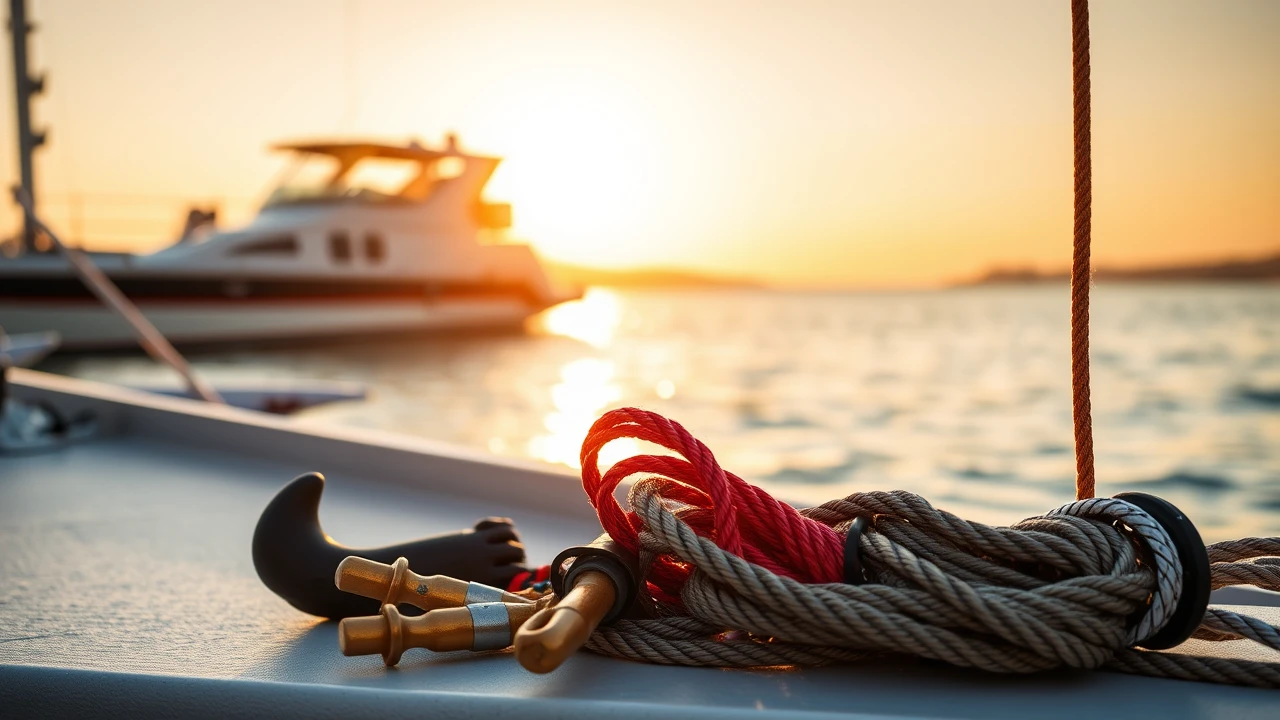
Choosing the right rope or hardware cable can make all the difference in safety, performance, and durability—especially when your activities involve water sports, boating, or emergency rescue. The "Ropes & Hardware Cable" category within hardware accessories is specialized for marine and aquatic applications, offering products engineered to withstand harsh environments while meeting stringent safety standards. But with such a wide range of rope types, materials, lengths, and features, how do you determine which one perfectly matches your specific needs?
This article breaks down the key rope types and hardware cables by use case, activity level, and user requirements, providing clear guidance to help you make an informed choice. Whether you’re a wakeboarding enthusiast, a professional rescuer, or a boater needing reliable docking lines, understanding the characteristics and advantages of each rope category is essential.
Understanding the Basics: Key Rope Materials and Features
Before diving into specific use cases, it’s important to understand the core materials and features that differentiate ropes in this category:
- Materials:
- Nylon: High strength, excellent elasticity, and abrasion resistance. Ideal for dynamic loads like towing.
- Polypropylene: Lightweight and buoyant; floats on water, making it perfect for water sports and rescue.
- Polyester: UV resistant and low stretch, suitable for anchoring and docking where stability is key.
-
Braided Polyethylene: Durable and abrasion resistant, often used in heavy-duty or rescue applications.
-
Common Features:
- Floating or partially floating design: Enhances visibility and safety on water.
- UV resistance: Protects from sun damage to extend rope life.
- Ergonomic handles: Often made with EVA foam or rubber to improve grip and comfort during use.
- Reinforced loops and quick-release mechanisms: Facilitate secure attachment and emergency detachment.
- Certifications: TÜV, ISO, CE, and marine safety standards ensure reliability and compliance.
- Eco-conscious manufacturing: Biodegradable coatings and recyclable components reduce environmental impact.
Use Case Breakdown: Matching Rope Types to Activities and Users
1. Wakeboarding and Water Skiing: Dynamic Tow Ropes with Comfort and Strength
Ideal Rope Type: Nylon or polypropylene ropes with floating capabilities and ergonomic handles.
Wakeboarders and water skiers require ropes that can handle rapid acceleration, sudden stops, and high tension without snapping or excessive stretch. Nylon ropes excel here due to their strength and elasticity, absorbing shock loads during tricks or sharp turns. Polypropylene ropes are popular for their buoyancy—floating on the water surface—and UV resistance, which is crucial for all-day use under the sun.
Key Features to Look For:
- Lengths typically between 50 to 75 feet to allow ample distance from the boat.
- Diameter between 8mm to 10mm for optimal strength (up to 2,000 lbs tensile strength).
- EVA foam or rubberized handles to reduce hand fatigue.
- Reinforced loops or quick-release clips for easy attachment and emergency detachment.
Example Scenario: A recreational wakeboarder might choose a 60-foot nylon rope with a floating design and cushioned handle for all-day comfort and reliable performance.
2. Tow Ropes for Inflatable Tubes: Safety and Buoyancy for Family Fun
Ideal Rope Type: Polypropylene ropes with high flotation and moderate tensile strength.
Tow ropes designed for inflatable tubes prioritize buoyancy and safety since tubes ride closer to the water surface and can flip easily. Polypropylene’s natural floating characteristic keeps the rope visible and accessible, reducing the risk of entanglement. While these ropes don’t need to sustain extreme loads, they must resist abrasion and UV damage.
Key Features to Look For:
- Thinner diameters (6mm to 8mm) for ease of handling and storage.
- Floating design with bright color options for high visibility.
- Quick-release mechanisms to detach the tube rapidly in emergencies.
- Compact storage options like included bags or spools for portability.
Example Scenario: A family boating on a lake would benefit from an 8mm polypropylene tow rope with a bright color, floating capability, and a quick-release handle for safe, hassle-free tubing sessions.
3. Anchor Lines for Boating: Stability and Durability in Harsh Conditions
Ideal Rope Type: Polyester ropes with low stretch and high abrasion resistance.
Anchor lines must hold vessels securely in varying water conditions, so low stretch and abrasion resistance are paramount. Polyester excels due to its minimal elongation under load and excellent UV and saltwater resistance. These ropes often come in longer lengths (50 to 100 feet) and thicker diameters (10mm to 12mm) for heavy-duty performance.
Key Features to Look For:
- High tensile strength (up to 2,500 lbs).
- Reinforced loops for secure attachment to anchors and boat cleats.
- UV and saltwater-resistant coatings for extended lifespan.
- Non-floating design preferred to avoid drifting anchor chains.
Example Scenario: A boater anchoring in coastal waters might choose a 100-foot polyester rope with reinforced loops and a protective coating to maintain strength and reliability over time.
4. Docking Ropes: Easy Handling and Secure Mooring
Ideal Rope Type: Polyester or braided polyethylene ropes emphasizing abrasion resistance and UV protection.
Docking ropes require durability and ease of handling as boats are secured or released multiple times. Polyester ropes’ low stretch and UV resistance ensure boats remain stable against docks without damaging the rope. Braided polyethylene ropes offer excellent abrasion resistance for rough dock surfaces.
Key Features to Look For:
- Moderate length (25 to 50 feet) for easy management.
- Diameters of 8mm to 10mm for strength without bulk.
- Ergonomic grips or loops to simplify tying knots.
- Durable construction with reinforced ends or whipping to prevent fraying.
Example Scenario: A marina operator might rely on 30-foot braided polyethylene ropes with reinforced loops to quickly secure boats while withstanding daily wear and tear.
5. Rescue Ropes for Emergency Services: High Visibility and Maximum Safety
Ideal Rope Type: High-strength braided polyethylene or nylon ropes with safety-critical features.
Rescue operations demand ropes that combine exceptional tensile strength, visibility, and safety. These ropes often include bright colors or reflective tracers for visibility in low light or turbulent water. Quick-release mechanisms and reinforced loops enable rapid deployment and safe handling. Certifications such as TÜV or CE are critical to ensure compliance with rescue standards.
Key Features to Look For:
- Tensile strength exceeding 2,000 lbs to support human weight and rescue equipment.
- Floating or partially floating designs for easy retrieval.
- High-visibility colors (fluorescent orange, yellow).
- Certified safety standards compliance.
- Ergonomic handles with non-slip rubberized grips.
- Compact storage with included bags or spools for quick access.
Example Scenario: A professional lifeguard team would select a 50-foot high-visibility braided polyethylene rope with quick-release clips and a non-slip handle to perform rapid water rescues safely and efficiently.
Other Important Considerations When Choosing Ropes
Length and Thickness
Rope length and diameter should always align with your activity. Longer ropes provide flexibility but can be cumbersome, while thicker ropes offer higher strength but add weight. For example, water skiing ropes typically range from 50 to 75 feet in length and 8–10mm in diameter, balancing manageability and durability.
Safety Certifications and Warranty
Look for ropes certified by TÜV, ISO, or marine safety standards, especially for rescue and professional use. Warranty periods—ranging from six months to lifetime—reflect manufacturer confidence and product reliability.
Environmental Impact
Many ropes now feature eco-friendly manufacturing, such as biodegradable coatings and recyclable materials. Choosing such products supports sustainable practices and reduces environmental footprint without compromising performance.
Maintenance Tips to Prolong Rope Life and Safety
- Rinse with freshwater after each use in saltwater to prevent salt buildup and corrosion.
- Avoid prolonged UV exposure by storing ropes in shaded areas or protective bags.
- Inspect regularly for fraying, cuts, or weakened spots; replace damaged ropes immediately.
- Dry thoroughly before storage to prevent mold and mildew.
- Use appropriate storage spools or bags to avoid tangling and kinks.
Conclusion
Selecting the right rope or hardware cable depends heavily on its intended use, required strength, material properties, and safety features. Whether you’re towing a wakeboarder, securing your boat, or performing a rescue, understanding the unique demands of each activity helps you choose ropes that maximize safety, durability, and comfort.
By considering material types like nylon, polypropylene, and polyester, paying attention to floating capabilities and ergonomic features, and prioritizing certified products with eco-conscious designs, you can confidently equip yourself with ropes that meet your performance and environmental expectations.
With the right knowledge and careful selection, your ropes won’t just support your activities—they’ll enhance your overall safety and enjoyment on the water.