
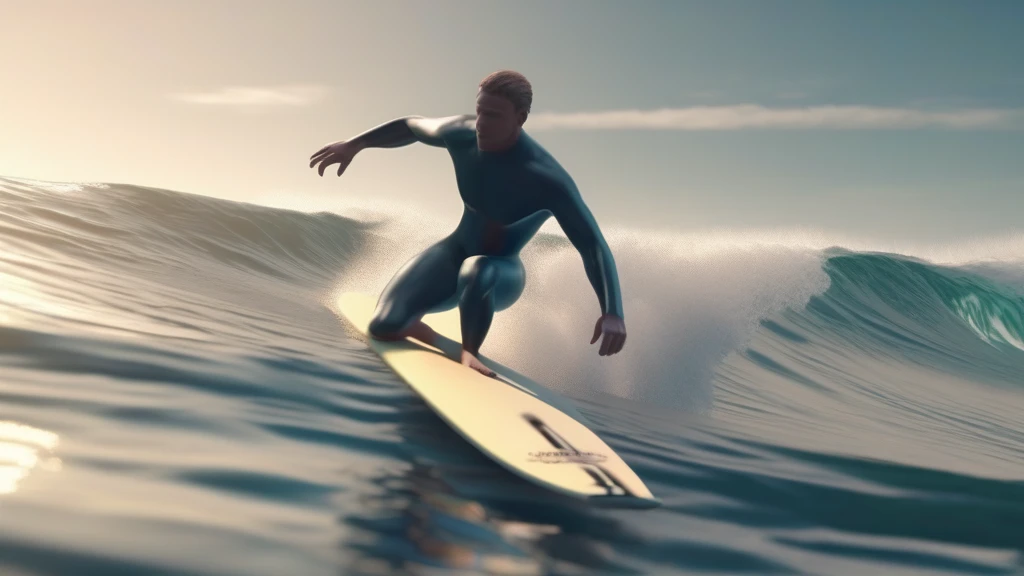
Shortboard surfboards have long been the go-to choice for surfers seeking agility, speed, and precision on the waves. Designed for quick maneuvers and high-performance surfing, these boards excel in short to medium wave conditions and cater to a wide range of skill levels—from intermediate enthusiasts honing freestyle techniques to advanced and competitive riders demanding the utmost control. However, with numerous design variations, materials, and features, selecting the right shortboard can feel overwhelming.
This article breaks down different shortboard types by use case, skill level, surfing style, and environmental considerations. By understanding the key product characteristics—including rocker profiles, tail shapes, fin systems, and construction materials—you can make a confident, informed choice tailored to your unique needs.
Understanding Shortboard Surfboards: Core Characteristics
Before diving into use cases, it’s helpful to review the defining features of shortboards:
- Length and Shape: Typically between 5’6” and 6’6”, shortboards are compact and designed for maneuverability.
- Materials: Lightweight constructions use epoxy, fiberglass, carbon fiber, and polyurethane foam. Increasingly, boards incorporate eco-friendly materials like biodegradable coatings and recyclable components.
- Rocker Profiles: The curvature from nose to tail varies—flat rocker suits speed on mellow waves, moderate rocker balances speed with maneuverability, while continuous or hybrid rockers enhance turning ability in steeper waves.
- Tail Shapes: Squash, swallow, bat, round, and pin tails influence control, speed, responsiveness, and hold on different wave faces.
- Fin Configurations: Thruster (three fins) balances control and speed, quad (four fins) offers acceleration and drive, twin fin boosts looseness and maneuverability, and single fin prioritizes smooth, classic turns. Many boards have detachable or foldable fins for customization and portability.
- Safety and Durability: Features include anti-slip decks, reinforced fins, scratch-resistant surfaces, and compliance with ISO, CE, or TÜV certifications.
Use Case 1: Intermediate Surfers Developing Freestyle Skills
Ideal Board Characteristics
Intermediate surfers looking to progress their freestyle abilities benefit from shortboards that offer a balance of stability and maneuverability:
- Material: Epoxy or fiberglass boards with a slightly thicker profile provide durability without sacrificing weight.
- Rocker: Moderate rocker to allow easier paddling and faster wave catching, yet responsive enough for quick turns.
- Tail Shape: Squash or swallow tails offer a forgiving feel and promote sharp cutbacks and aerial maneuvers.
- Fin Setup: Thruster configuration is ideal—it provides stability and control during aerials and tight turns.
- Safety Features: Anti-slip decks and reinforced edges help newcomers maintain grip during aggressive moves.
Practical Advice
Look for boards with slightly wider noses and tails to enhance stability without giving up too much speed. Many intermediate shortboards come with included accessories like wax kits and leashes, facilitating proper maintenance and safety.
Use Case 2: Advanced Surfers Seeking High-Performance Boards
Ideal Board Characteristics
For advanced surfers pushing the limits in competitive or challenging waves, performance is paramount:
- Material: Lightweight carbon fiber or advanced epoxy composites reduce overall weight and increase responsiveness.
- Rocker: Continuous or hybrid rocker profiles optimize control on steep, hollow waves and enable rapid directional changes.
- Tail Shape: Pin or bat tails provide superior hold and drive on fast, powerful waves. Round tails offer smooth carve capabilities.
- Fin Setup: Quad fin systems give explosive acceleration and tighter rail-to-rail transitions; some riders prefer thrusters for versatility.
- Portability: Detachable fins and travel-friendly designs support surfers who compete worldwide.
Practical Advice
Choose boards with reinforced construction to withstand the stresses of aggressive surfing while maintaining a minimal weight. Advanced riders often prefer custom fin setups tailored to specific wave conditions.
Use Case 3: Surfers Focused on Travel and Portability
Ideal Board Characteristics
If your surfing lifestyle involves frequent travel, convenience and durability become top priorities:
- Material: Durable epoxy or fiberglass with reinforced edges prevent damage during transit.
- Design Features: Boards with foldable or detachable fin systems reduce bulk and protect fins during packing.
- Weight: Lightweight construction facilitates easier carrying and handling.
- Accessories: Included carry bags with padded straps and compartments for fins, leashes, and repair kits enhance portability.
- Safety: Scratch-resistant surfaces and compliance with international safety standards ensure board longevity.
Practical Advice
Consider boards designed specifically for travel that balance performance with ruggedness. Invest in quality board bags and compact repair kits to maintain your shortboard on the road.
Use Case 4: Environmentally Conscious Surfers
Ideal Board Characteristics
Eco-conscious surfers prioritize sustainability without compromising performance:
- Materials: Boards manufactured with biodegradable coatings, recyclable foam cores, and sustainably sourced fiberglass reduce environmental impact.
- Production Practices: Look for brands emphasizing eco-friendly processes and certifications.
- Durability: Longer-lasting boards mean fewer replacements, reducing waste.
- Performance: Modern eco-boards maintain lightweight and responsive qualities comparable to traditional boards.
Practical Advice
Research manufacturers’ environmental commitments and inquire about material sourcing. Using eco-friendly wax and avoiding excessive repairs prolongs board life. Recycling programs for old boards are also valuable.
Use Case 5: Wave Conditions and Tail Shape Matching
Matching your shortboard’s tail design to typical wave conditions enhances performance:
- Squash Tail: Versatile and popular, excels in small to medium waves offering quick, sharp turns.
- Swallow Tail: Provides extra hold and lift in weaker waves, ideal for mushy or slow-breaking conditions.
- Pin Tail: Best for big, powerful waves requiring control and stability.
- Bat Tail: Combines features of pin and squash tails for greater drive and maneuverability.
- Round Tail: Smooth turns on medium to large waves; preferred for carving.
Understanding your local surf environment helps select the tail shape that complements your style and the waves you ride most.
Fin Systems: How They Affect Your Ride
- Thruster (Three Fins): The standard setup providing balance between speed, control, and maneuverability. Suitable for most surfers and wave types.
- Quad (Four Fins): Enhances speed and drive, especially on small to medium waves, allowing faster down-the-line rides.
- Twin Fin: Offers looseness and quick responsiveness, great for playful surfing and smaller waves.
- Single Fin: Traditional setup favoring smooth, drawn-out turns, less common in shortboards but valued by some purists.
Many shortboards feature detachable fins so surfers can experiment with setups based on wave conditions and personal preference.
Maintenance Tips for Shortboard Surfers
Proper care extends your shortboard’s life and performance:
- Waxing: Apply wax suited to water temperature and conditions to maintain grip—ensure even coverage on the anti-slip deck.
- Repairs: Address dings and cracks promptly using repair kits to prevent water intrusion and structural damage.
- Storage: Store boards in cool, shaded places away from direct sunlight to avoid material degradation.
- Transport: Use padded bags and remove fins when flying or driving long distances to minimize damage.
Regular maintenance keeps your shortboard ready for action and protects your investment.
Conclusion
Choosing the right shortboard surfboard involves balancing your skill level, surfing style, local wave conditions, and personal priorities like travel convenience or environmental impact. Whether you are an intermediate surfer developing freestyle skills, an advanced competitor, a globetrotting wave rider, or an eco-conscious enthusiast, understanding board materials, rocker profiles, tail shapes, and fin setups empowers you to select a board tailored to your needs.
By prioritizing performance, durability, safety, and sustainability, you can enjoy the exhilarating experience of shortboarding with confidence and responsibility. With the right shortboard in hand, every wave becomes an opportunity for speed, creativity, and connection with the ocean.