
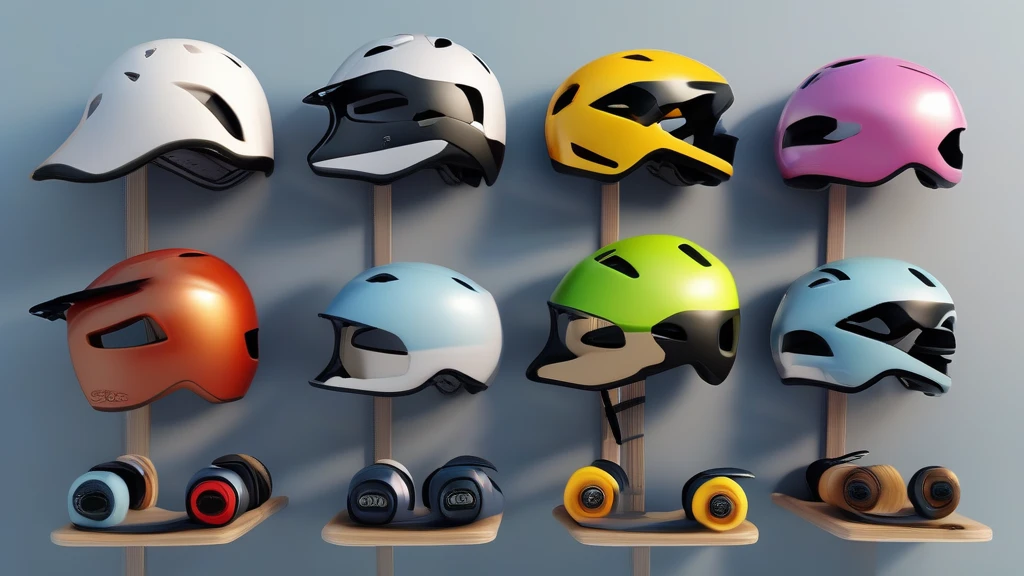
Choosing the right skate helmet is crucial for anyone involved in skateboarding or related outdoor activities such as BMX riding, scootering, rollerblading, or even kayaking. With a variety of helmet types designed to meet different use cases, skill levels, and user needs, understanding the key features and certifications can help ensure you pick the safest and most comfortable option. This article breaks down skate helmets by use cases, highlighting characteristics like materials, safety standards, fit systems, ventilation, and sustainability considerations to help you make an informed decision.
Understanding the Role of Skate Helmets in Outdoor Sports
Skate helmets serve as the first line of defense against head injuries during high-impact activities. Unlike specialized bike or climbing helmets, skate helmets are designed with a balance of impact protection, comfort, and versatility for multiple sports including skateboarding, scootering, BMX, and even kayaking. Certified to meet rigorous safety standards such as CPSC (Consumer Product Safety Commission), CE EN 1078 (European helmet safety), ASTM F1492 (skatepark standard), ISO, and TÜV, these helmets provide reliable protection tailored to the unique risks of these sports.
Use Case Breakdown: Which Helmet Fits Your Activity and Skill Level?
1. Beginners and Youth Riders: Safety and Comfort First
For children and beginners—especially those scootering or learning to skateboard—helmets prioritize ease of use, adjustable fit, and lightweight comfort. Youth skate helmets generally weigh between 200-250 grams and feature:
- Multi-size fit pads: To accommodate growing heads and ensure a snug fit.
- Adjustable chin straps with quick-release buckles: For fast, secure fitting.
- Robust polycarbonate shells with EPS foam liners: To absorb impact.
- Ventilation: Typically 10-12 vents to keep young riders cool but protected.
- Safety certifications: CPSC and ASTM F1492 are most common, ensuring the helmet is specifically tested for skateboarding impacts.
Example: A youth helmet with a rotational dial fit system and sweat-wicking liners helps beginners stay comfortable during extended sessions, while reflective details improve visibility in low light.
2. Casual Skateboarders and Multi-Sport Enthusiasts: Versatility and Style
Casual skaters and those who mix activities like cycling, rollerblading, and scootering benefit from multi-sport helmets. These helmets are designed to meet multiple certifications (e.g., CPSC, CE EN 1078, ASTM F1492) so you can confidently switch between sports without changing gear.
Key features include:
- Durable ABS or polycarbonate shells reinforced with carbon fiber for lightweight strength.
- MIPS (Multi-directional Impact Protection System) technology to reduce rotational forces during angled impacts.
- Adjustable ventilation with 12-15 vents to optimize airflow in hot weather.
- Ergonomic fit systems such as rotational dials and adjustable straps.
- Sleek, stylish designs with various color options that combine safety with personal expression.
Example: A multi-sport helmet with MIPS and 15 vent holes, combined with a foldable design and a compact carry bag, is perfect for urban riders who commute and skate casually.
3. Advanced and Professional Skateboarders: Maximum Protection and Performance
High-skill riders tackling street, park, or vert skating demand helmets that offer superior impact mitigation and durability without sacrificing comfort or ventilation. Their helmets often feature:
- Carbon fiber reinforced shells for enhanced strength at minimal weight (~250-300g).
- Advanced EPS foam liners with layered density to absorb varied impact forces.
- MIPS technology or equivalent rotational impact protection.
- Optimized ventilation systems, sometimes adjustable vents, to maintain airflow during intense sessions.
- Customizable fit systems with multiple size options and interchangeable pads to ensure a perfect fit.
- Reflective elements for early morning or late evening training.
- Sustainability features such as biodegradable coatings and recyclable components appeal to eco-conscious pros.
Example: A professional-grade helmet certified to ASTM F1492 and TÜV standards with integrated MIPS and carbon fiber reinforcements offers the best in crash protection and durability.
4. Specialized Use: Kayaking and Water Sports
Though primarily designed for dry land sports, some skate helmets are also certified for water sports like kayaking, thanks to their multi-standard approvals. These helmets feature:
- Water-resistant exterior coatings and quick-dry liners.
- Secure chin straps with water-resistant buckles.
- Enhanced drainage vents to allow water to escape quickly.
- Compliance with ISO water sport safety standards alongside skate certifications.
Example: A helmet with CE EN 1078 and ISO certification that includes adjustable ventilation and water-resistant materials is ideal for paddlers who want a versatile, protective headgear option.
Key Helmet Features to Consider Across All Use Cases
Materials and Construction
- Shell Composition: Polycarbonate and ABS plastic shells offer durable outer protection. Carbon fiber reinforcements increase strength and reduce weight in premium models.
- Inner Liner: EPS foam is standard for impact absorption; multi-density foam offers layered protection for different impact types.
- Impact Mitigation Technologies: MIPS is widely regarded for reducing rotational forces during angled impacts.
Safety Certifications
- CPSC: Mandatory for skate helmets in the U.S., ensures basic impact resistance.
- ASTM F1492: Specific to skatepark use, tests for multiple impact scenarios.
- CE EN 1078: European safety standard for skate and bike helmets.
- TÜV and ISO: Indicate rigorous testing and quality assurance, often for multi-sport helmets.
Fit and Comfort
- Adjustable chin straps with quick-release buckles.
- Rotational dial fit systems for precise adjustment.
- Multiple size options and removable fit pads.
- Sweat-wicking, antimicrobial liners to enhance hygiene.
- Weight range typically 200-300 grams to minimize fatigue.
Ventilation
- Between 10 to 15 strategic vents for consistent airflow.
- Some helmets offer adjustable vents to customize cooling.
- Vent placement designed to optimize air circulation without compromising protection.
Sustainability
- Use of eco-friendly materials such as recycled plastics.
- Low carbon footprint manufacturing processes.
- Biodegradable coatings that reduce environmental impact.
- Helmets designed for recyclability at end of life.
How to Choose the Right Skate Helmet for You
To select the best helmet, start by considering:
- Your Primary Activity: Are you skateboarding in a park, riding BMX, scootering, or mixing multiple sports? Choose helmets certified for those activities.
- Skill Level: Beginners need comfort and adjustable fits; pros require advanced protection and lightweight designs.
- Fit: Measure your head circumference and select a helmet with adjustable fit systems and multiple size options.
- Ventilation Needs: For summer and intense activities, prioritize helmets with ample venting.
- Safety Certifications: Ensure your helmet meets or exceeds the relevant standards for your sport.
- Additional Features: Consider MIPS or other impact mitigation tech, reflective details for visibility, and sustainability attributes if those matter to you.
Maintaining Your Skate Helmet: Care and Lifespan Tips
- Inspect regularly for cracks, dents, or foam compression.
- Clean with mild soap and water; avoid harsh chemicals that degrade materials.
- Replace after any significant impact, even if damage is not visible.
- Typical helmet lifespan is 3-5 years depending on use and care.
- Store in a cool, dry place away from direct sunlight.
Conclusion
Selecting the right skate helmet involves balancing safety, comfort, and the specific demands of your sport and skill level. From youth helmets designed with growth and ease of use in mind, to professional-grade models featuring carbon fiber reinforcements and MIPS technology, there is a skate helmet tailored to every rider’s needs. By understanding the differences in materials, certifications, fit systems, and ventilation, you can confidently choose headgear that protects you effectively while enhancing your outdoor activities. Remember, the best helmet is one you will wear consistently—comfort and style matter just as much as safety.
By aligning your helmet choice with your activity, skill, and personal preferences, you’ll enjoy peace of mind and performance on every ride, jump, or trick. Stay safe and skate smart!