
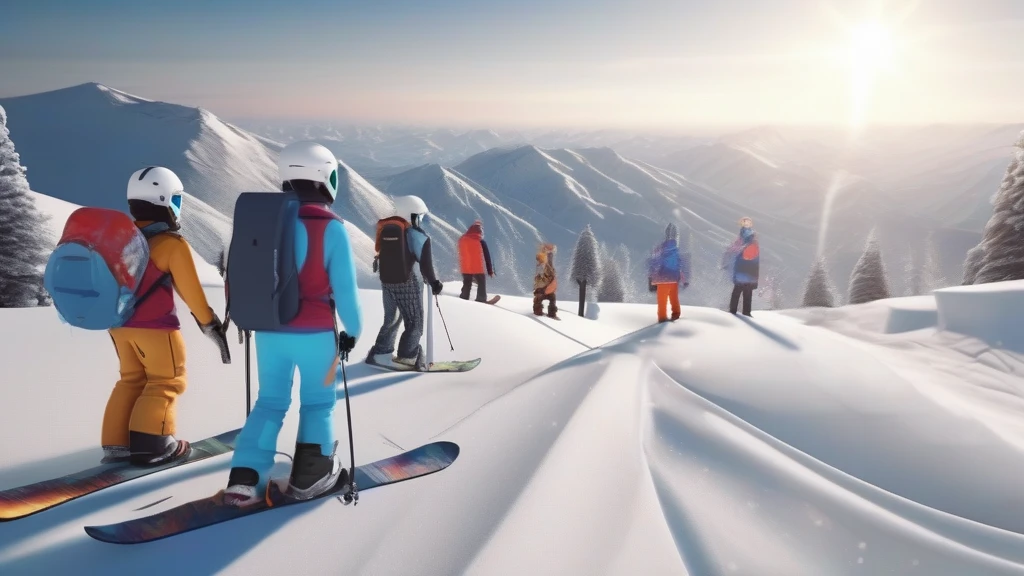
Choosing the right ski or snowboard helmet is crucial for maximizing both safety and comfort on the slopes. With so many models designed to meet the varied needs of winter sports enthusiasts—from alpine skiers to backcountry adventurers—the decision can feel overwhelming. This guide breaks down helmet options by use case, skill level, and activity type, helping you match the helmet’s features to your specific winter sport demands.
Understanding Helmet Safety Standards and Technologies
Before diving into use cases, it’s important to grasp what makes a helmet safe and effective:
-
Certifications: Look for helmets certified to standards such as CE EN 1077 (European standard for alpine skiing and snowboarding), ASTM F2040 (North American standard for snow sports helmets), or ISO standards for ice climbing. These ensure the helmet passed rigorous impact and penetration tests.
-
Impact Mitigation Technologies: Many helmets now feature MIPS (Multi-directional Impact Protection System), which reduces rotational forces during angled impacts. Others use multi-impact EPS foam liners designed to absorb impacts from multiple hits without compromising protection.
-
Materials: Shells are typically crafted from lightweight, durable materials like polycarbonate, ABS plastic, carbon fiber, or hybrid composites. Carbon fiber helmets offer superior strength-to-weight ratios, appealing to advanced riders who demand minimal weight without sacrificing protection.
Use Case 1: Alpine Skiing and Snowboarding – Versatile Protection for the Slopes
Helmet Features for Alpine Skiers and Snowboarders
For resort skiing and snowboarding, helmets need to balance impact protection, ventilation, and comfort for all-day wear:
-
Lightweight Shells: Polycarbonate or hybrid composite shells offer durable yet lightweight construction to reduce fatigue during long days.
-
Adjustable Ventilation: Multiple vents, often with removable covers, provide customizable airflow to prevent overheating while minimizing cold air intrusion in frigid conditions.
-
Fit Systems: Dial-fit adjustment systems and interchangeable padding ensure a snug, pressure-free fit that adapts to varying head shapes.
-
Goggle Compatibility: Magnetic or clip-on goggle holders and over-the-helmet integration prevent goggles from slipping and fogging.
-
Comfort Features: Fleece or sweat-wicking liners and detachable ear pads enhance warmth and hygiene.
Skill Level Considerations
-
Beginners: Prioritize helmets with comprehensive impact protection, multi-impact liners, and adjustable ventilation to accommodate changing activity levels.
-
Intermediate to Advanced: Lightweight carbon fiber shells and MIPS technology offer enhanced protection without added weight, ideal for aggressive skiing or freestyle snowboarding.
Use Case 2: Backcountry Skiing and Snowboarding – Durable, Lightweight, and Multi-Functional
Backcountry enthusiasts face unique challenges such as unpredictable terrain and longer exposure times, demanding helmets with specialized features:
-
Durability and Weight: Materials like carbon fiber or hybrid composites provide lightweight protection essential for uphill climbs and long tours.
-
Multi-Impact EPS Foam: Since backcountry riders may encounter multiple impacts, helmets with multi-impact liners ensure ongoing safety.
-
Ventilation Control: Adjustable vents that can be fully closed protect against snow and cold wind, while still allowing airflow during exertion.
-
Accessory Compatibility: Helmets designed for backcountry use often include mounts or integration options for headlamps, avalanche transceivers, or communication devices.
-
Eco-Friendly Manufacturing: Many backcountry helmets emphasize sustainability, using recyclable components and low carbon production methods appealing to environmentally conscious users.
Use Case 3: Ice Climbing and Winter Hiking – Specialized Protection with Enhanced Coverage
Ice climbers and winter hikers require helmets that protect against falling debris, sharp impacts, and harsh weather conditions:
-
Certification Compliance: Helmets meeting ISO standards for climbing provide assurance of protection against penetration and multiple impact scenarios.
-
Robust Shell Construction: Carbon fiber or ABS shells with reinforced coverage around the temples and back of the head improve safety against rock and ice falls.
-
Ventilation and Weather Defense: Helmets feature adjustable vents that seal tightly to keep out snow and cold, often supplemented by removable, pressure-free ear pads and insulated liners.
-
Fit and Comfort: Ergonomic designs with multi-size padding systems accommodate helmet liners or hats worn underneath for cold weather.
-
Accessory Mounts: Compatibility with headlamps and goggles is essential for variable light and snow conditions.
Use Case 4: Snowmobiling – Impact Resistance and Noise Reduction
Snowmobilers face high-speed impacts and wind noise, requiring helmets tailored to these conditions:
-
High Impact Resistance: Helmets with multi-impact EPS liners and robust polycarbonate or carbon fiber shells are critical for crash protection.
-
Noise Dampening: Features like dense liners and padded ear covers reduce wind and engine noise, improving focus and comfort.
-
Ventilation with Wind Protection: Vent systems balance airflow with the ability to block cold air during high-speed runs.
-
Goggle and Face Shield Integration: Helmets often include built-in visors or are designed for seamless goggle compatibility with quick-release mechanisms.
-
Quick-Release Chin Straps: Allow fast removal in emergencies, a crucial safety aspect.
Use Case 5: Youth Helmets – Safety, Comfort, and Growth Adaptability
Because children’s heads grow and their skill levels develop, youth helmets emphasize adjustable fit and safety:
-
Multi-Size Pads and Dial Fit Systems: Allow the helmet to grow with the child, ensuring a secure fit over multiple seasons.
-
Lightweight and Comfortable: Soft liners and pressure-free ear pads encourage consistent helmet use.
-
Vibrant Styles and Customization: Designs often include bright colors and decals, increasing appeal and visibility on the slopes.
-
Certified Safety: Youth helmets meet stringent impact standards, often including MIPS for enhanced brain protection.
Additional Considerations When Choosing Your Helmet
Fit and Comfort Are Paramount
A helmet that doesn’t fit well compromises safety. Use adjustable fit systems, try helmets with interchangeable padding, and consider your head shape. Remember that a snug fit should be comfortable and not cause pressure points.
Ventilation and Weather Adaptability
Select helmets with adjustable vents so you can regulate airflow depending on activity intensity and weather conditions. Removable vent covers can be invaluable in heavy snow or cold.
Goggle Integration and Accessories
Ensure your helmet is compatible with your goggles—look for magnetic attachment systems or clip holders that secure goggles firmly without pressure. Also, check for mounts for communication devices or cameras if you use them.
Sustainability and Environmental Impact
Many manufacturers now focus on eco-friendly production, using recyclable materials and reducing carbon footprints. If environmental responsibility matters to you, seek helmets that highlight these commitments.
Maintenance Tips
-
Regularly inspect your helmet for cracks or damage.
-
Clean liners and padding according to manufacturer instructions.
-
Replace helmets after significant impacts or every 3–5 years.
-
Store helmets in cool, dry places away from direct sunlight.
Conclusion
Selecting the right ski or snowboard helmet depends heavily on your winter sport activity, skill level, and specific needs. Alpine skiers and snowboarders benefit from versatile, ventilated helmets with adjustable fits and goggle compatibility. Backcountry riders seek lightweight, durable helmets with multi-impact liners and accessory mounts. Ice climbers and winter hikers require reinforced shells with weather-sealed ventilation and climbing-grade certifications. Snowmobilers prioritize impact resistance, noise reduction, and quick-release features, while youth helmets focus on growth adaptability and comfort.
By understanding the distinct characteristics and technological features available—such as MIPS technology, multi-impact foam, lightweight carbon fiber shells, and eco-friendly manufacturing—you can confidently choose a helmet that delivers optimal protection, comfort, and style tailored to your winter adventures. Always prioritize fit and certified safety to ensure your helmet performs when it matters most.