
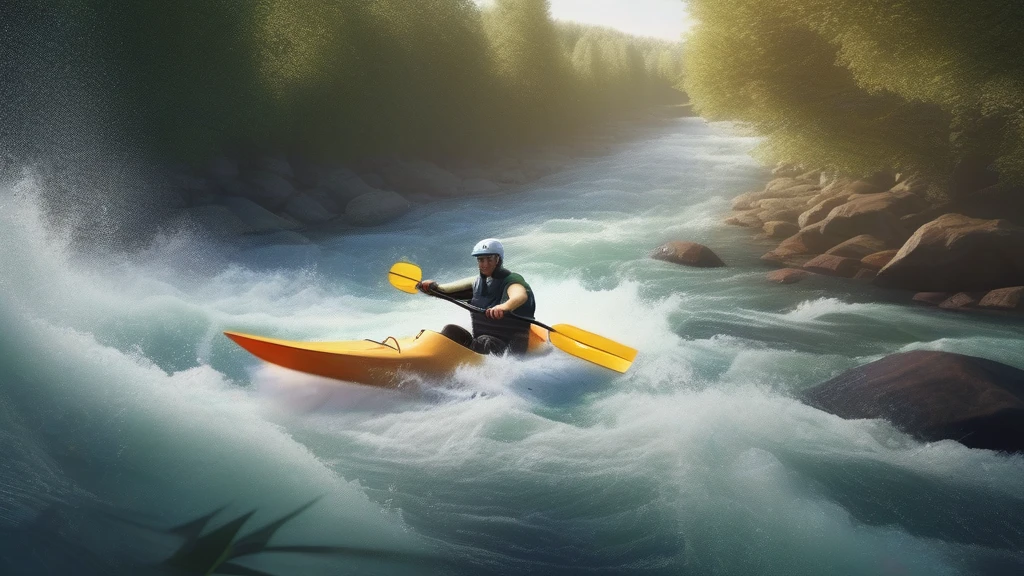
Slalom kayaking is a thrilling blend of speed, precision, and agility, demanding equipment that can keep pace with the athlete’s skill and ambitions. Whether you’re an intermediate paddler aiming to boost fitness, a competitive racer chasing podium finishes, or an advanced kayaker exploring dynamic river courses, choosing the right slalom kayak is critical to your success and enjoyment. This article breaks down the various types of slalom kayaks to help you match the ideal boat to your specific use case, skill level, and paddling goals.
Understanding Slalom Kayaks: Key Characteristics
Before diving into use cases, it’s important to understand what sets slalom kayaks apart from other kayaks. These boats are:
- Lightweight: Typically under 35 lbs, constructed from advanced materials like carbon fiber, Kevlar, fiberglass, or high-density polyethylene.
- Highly Maneuverable: Featuring aerodynamic, streamlined hulls designed for minimal drag and maximum control.
- Durable: Built to withstand impacts and high-speed river conditions, often reinforced with Kevlar or composite laminates.
- Ergonomic: Equipped with adjustable seating, footrests, and anti-slip surfaces to optimize paddler comfort and control.
- Feature-Rich: Including spray skirts for water protection, carry handles, integrated storage hatches, and sometimes modular or foldable components for portability.
- Safety Certified: Many meet ISO, CE, or TÜV marine safety standards, with quick-release systems and reinforced hulls.
With these characteristics in mind, let’s explore how different slalom kayaks align with specific paddling scenarios.
Use Case 1: Fitness Paddling and Skill Development for Intermediate Paddlers
Ideal Kayak Type: Lightweight Composite Solo Kayaks
For paddlers who are not yet racing competitively but want to improve fitness, technique, and overall paddling skills, a lightweight solo slalom kayak made from fiberglass or thermoformed ABS is an excellent choice. These kayaks strike a balance between performance and affordability, offering:
- Moderate weight for ease of handling on and off the water (typically 30-35 lbs).
- Stable hull designs that reduce tipping risk but still provide responsive maneuvering.
- Adjustable ergonomic seating and footrests to accommodate longer training sessions.
- Durable construction to tolerate beginner-level impacts.
Example Features to Look For:
- Fiberglass hull with reinforced keel for enhanced tracking.
- Anti-slip seat and adjustable thigh braces for control during paddling drills.
- Spray skirt compatibility to keep water out during choppy conditions.
- Carry handles for easy transport to local rivers or lakes.
Training Tips:
- Focus on stroke technique and balance exercises.
- Practice navigating simple slalom gates at moderate speeds.
- Incorporate interval training to build cardiovascular endurance.
Fitness paddlers benefit from kayaks that encourage skill refinement without overwhelming complexity or fragility.
Use Case 2: Competitive Slalom Racing for Advanced Paddlers
Ideal Kayak Type: High-Performance Carbon Fiber or Kevlar Solo Kayaks
Serious racers need every technical advantage to shave seconds off their runs. High-end slalom kayaks constructed from carbon fiber or Kevlar composites deliver unmatched stiffness, ultra-lightweight profiles, and razor-sharp responsiveness. These features translate to:
- Exceptional acceleration and speed on river sprints and downriver courses.
- Pinpoint agility for negotiating tight slalom gates and rapid maneuvers.
- Minimal hull drag due to streamlined, race-optimized designs.
- Reinforced hulls for impact resistance during aggressive paddling and contact with course gates.
Example Features to Look For:
- Carbon fiber laminate hull weighing under 30 lbs.
- Ergonomic, fully adjustable seating systems for custom fit.
- Integrated spray skirts with quick-release mechanisms for safety.
- Compact, low-profile cockpit dimensions to reduce wind resistance.
Training Tips:
- Conduct technical drills focusing on slalom gate navigation and rapid direction changes.
- Utilize video analysis to perfect stroke efficiency and body positioning.
- Engage in strength and conditioning tailored for paddling power and endurance.
Competitive racers often select kayaks with lifetime hull warranties and certifications such as ISO or CE, ensuring reliability under race conditions.
Use Case 3: Advanced Adventure Touring on Dynamic Rivers
Ideal Kayak Type: Durable Fiberglass or High-Density Polyethylene Tandem or Solo Kayaks
For paddlers seeking both performance and versatility on challenging rivers, including downriver racing and extended adventure tours, a more robust kayak with added storage and stability may be preferred. Fiberglass or high-density polyethylene (HDPE) slalom kayaks offer:
- Enhanced impact resistance for rocky or unpredictable river environments.
- Integrated storage hatches for gear needed on longer trips.
- Slightly wider hull profiles to balance speed with stability.
- Options for tandem configurations to share paddling duties on extended journeys.
Example Features to Look For:
- Reinforced fiberglass hull with UV-resistant gel coat.
- Modular seating systems that allow switching between solo and tandem paddling.
- Carry handles and modular components for easier transport overland.
- Emergency quick-release spray skirts and safety-certified hull design.
Training Tips:
- Practice paddling in variable water conditions to build adaptability.
- Train with a partner for tandem coordination.
- Learn rescue techniques and safety protocols for dynamic rivers.
This category prioritizes durability and comfort without sacrificing the speed and maneuverability essential for competitive-style paddling.
Use Case 4: Recreational Racing and Weekend River Sprints
Ideal Kayak Type: Thermoformed ABS or Mid-Weight Composite Solo Kayaks
Recreational racers who enjoy organized events or weekend river sprints may find mid-range slalom kayaks hit the sweet spot between high performance and practicality. Thermoformed ABS kayaks are rugged, lightweight, and weatherproof, suitable for paddlers who want to compete casually or enhance fitness with speed-focused outings.
Example Features to Look For:
- Durable ABS hull with UV protection and impact resistance.
- Ergonomic adjustable seats and footrests.
- Spray skirts compatible with quick-release safety features.
- Integrated carry handles and compact design for easy transport.
Training Tips:
- Focus on interval sprint training to improve speed.
- Attend local slalom events to gain racing experience.
- Combine skill-building with fun by practicing new maneuvers.
This kayak type suits paddlers balancing performance aspirations with occasional recreational use.
Material Differences and Their Impact on Performance and Durability
Choosing the right kayak material directly affects paddling experience:
- Carbon Fiber: Offers the lightest weight and highest stiffness, ideal for competitive racers prioritizing speed and agility. Carbon fiber kayaks tend to be more expensive and require careful maintenance.
- Kevlar: Slightly heavier than carbon fiber but delivers excellent impact resistance and flexibility, beneficial for aggressive paddling and rocky rivers.
- Fiberglass: Combines moderate weight and durability, a versatile option for advancing paddlers and adventure touring.
- High-Density Polyethylene (HDPE): The most impact-resistant and affordable, though heavier and less stiff. Perfect for beginners or rugged adventure conditions.
- Thermoformed ABS: Lightweight and UV-resistant, good for recreational racing and fitness paddling with moderate durability.
Additional Considerations: Portability, Safety, and Accessories
- Portability: Look for kayaks with carry handles, modular or foldable designs if transport and storage are concerns.
- Safety Features: Ensure quick-release spray skirts, reinforced hulls, and safety certifications are standard.
- Accessories: Consider spray skirts to keep water out during rapid maneuvers, repair kits for on-the-go fixes, and ergonomic paddles matched to your kayak’s design.
Maintenance Best Practices for Slalom Kayaks
- Rinse kayaks with fresh water after use to prevent salt or debris damage.
- Inspect hulls regularly for cracks or dents, especially after high-impact sessions.
- Store kayaks in shaded, dry places to protect UV-sensitive materials.
- Lubricate adjustable seating and footrest mechanisms for smooth operation.
Conclusion
Selecting the right slalom kayak depends heavily on your paddling discipline, skill level, and specific use case. Lightweight carbon fiber kayaks serve competitive racers aiming for peak speed and maneuverability, while fiberglass and thermoformed ABS models support fitness paddlers and recreational racers with durability and comfort. Adventure touring calls for robust, impact-resistant kayaks with storage and stability tailored to dynamic river conditions. By understanding the materials, features, and ergonomic designs available, you can confidently choose a slalom kayak that complements your goals and enhances your performance on the water.
With the right match, slalom kayaking becomes not only a sport but a rewarding journey of skill, fitness, and adventure.