
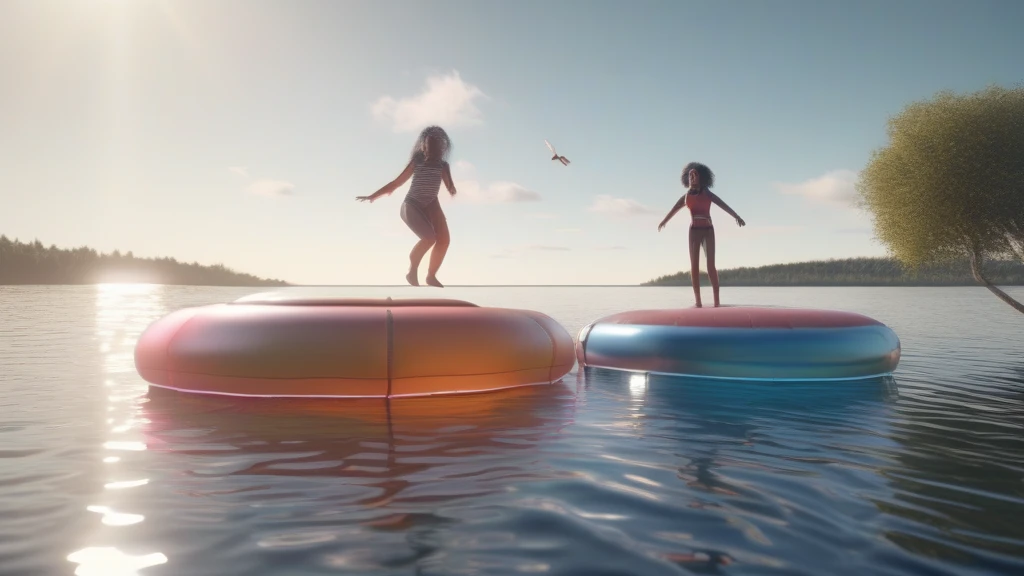
Water trampolines have become a popular addition to lakes, pools, and beach outings, blending the joy of bouncing with the refreshing fun of water play. However, choosing the right water trampoline for your needs requires understanding how various models align with different activities, user groups, and skill levels. This article guides you through the main use cases for water trampolines, helping you select a product that matches your lifestyle and water recreation goals.
Understanding Water Trampolines: Key Features and Variations
Before diving into specific use cases, it’s important to grasp the common characteristics of water trampolines:
- Size Range: Typically between 8 to 12 feet in diameter, with larger sizes offering more jumping space.
- User Capacity: Most trampolines accommodate 2 to 4 users simultaneously.
- Materials: Durable, waterproof, and buoyant inflatable components with reinforced seams ensure safety and longevity.
- Colors: Vibrant hues like blue, red, yellow, and orange improve visibility in the water.
- Safety and Stability: Robust construction and secure inflation systems provide reliable bounce and minimize tipping risks.
- Portability: Many models are designed for easy setup, deflation, and transport.
These features influence how well a trampoline serves different recreational needs and user groups.
1. Family Fun and Casual Water Play
Ideal Trampolines: Medium-Sized (10-11 feet), 3-4 Person Capacity
For families looking to add excitement to weekends at the lake or pool, medium-sized water trampolines strike the perfect balance between space, safety, and ease of use. Models around 10 to 11 feet in diameter comfortably fit 3 to 4 children or a mix of adults and kids, fostering shared play experiences.
Why This Size?
- Provides ample jumping area without overwhelming younger or less experienced users.
- Supports group interaction, encouraging social bonding.
- Bright colors enhance visibility, reassuring parents watching from the shore.
Features to Look For:
- Reinforced seams and high-quality inflatable materials to withstand enthusiastic play.
- Smooth bounce with a stable platform that prevents excessive rocking.
- Easy inflation and deflation systems for quick setup during family outings.
Practical Tips:
- Supervise children closely, especially when multiple users share the trampoline.
- Pair trampoline use with other water activities like swimming or floating devices for varied fun.
2. Pool Parties and Social Gatherings
Ideal Trampolines: Larger Models (11-12 feet), 4-Person Capacity
For social events such as pool parties or beach hangouts, larger water trampolines offer a vibrant centerpiece for group entertainment. The extra diameter creates a spacious jumping zone, allowing friends to bounce, splash, and perform light acrobatics together.
Advantages of Larger Trampolines:
- Accommodate more participants simultaneously, boosting group interaction.
- Provide a dynamic platform for games involving multiple players, such as trampoline tag or relay races.
- Enhanced stability from wider bases reduces tipping risks during energetic play.
Design Considerations:
- Opt for models with bright, multi-color patterns for visibility and aesthetic appeal.
- Look for extra-durable materials and reinforced inflation valves to handle frequent use.
- Consider trampolines with added comfort features, such as cushioned edges or integrated handles.
Activity Suggestions:
- Organize friendly competitions with bounce height or trick challenges.
- Use the trampoline as a base for water volleyball or splash contests to keep guests entertained.
3. Skill Development and Active Water Sports
Ideal Trampolines: Smaller to Medium Models (8-10 feet), 2-3 Person Capacity
Water trampolines also cater to thrill-seekers and fitness enthusiasts who want to combine exercise with aquatic play. Smaller models, around 8 to 10 feet, offer a compact and responsive bounce surface ideal for practicing jumps, flips, and other acrobatic moves.
Benefits of Smaller Sizes:
- Provide a firmer bounce reaction suited to controlled maneuvers.
- Easier to transport and set up at different water locations.
- Accommodate fewer users, reducing distractions and collision risks during skill practice.
Material and Safety Highlights:
- Premium, tear-resistant inflatables that withstand sharp landings.
- Secure inflation systems preventing sudden deflation during intense activity.
- High-visibility colors aiding spotters and trainers in monitoring jumpers.
Training Tips:
- Start with basic bouncing before progressing to advanced tricks.
- Use safety gear like life jackets and spotters, especially in open water.
- Incorporate trampoline exercises into swimming or water fitness routines for cross-training benefits.
4. Relaxation and Leisure on the Water
Ideal Trampolines: Medium to Large Models (10-12 feet), 2-4 Person Capacity with Comfort Features
Not all water trampoline users seek high-energy bouncing; many enjoy the trampoline as a floating lounge and social hub. Medium to large trampolines designed with comfort in mind offer stable surfaces for sunbathing, sitting, or gentle rocking on calm water.
Key Features for Relaxation:
- Spacious jumping areas usable as floating platforms for resting.
- Soft, cushioned inflatable edges to lean against comfortably.
- Vibrant colors that maintain visibility without overwhelming the tranquil atmosphere.
Use Scenarios:
- Floating hubs during beach days where swimmers and sunbathers mingle.
- Quiet spots for kids to splash lightly or chat while staying afloat.
- Platforms for yoga or stretching exercises on calm lakes or pools.
Maintenance Advice:
- Rinse after use to remove saltwater or chlorine that can degrade materials.
- Store in a dry, shaded area to preserve inflatable components.
- Inspect seams and valves regularly to ensure long-term durability.
5. Multi-Environment Versatility: Lakes, Pools, and Beaches
Choosing Based on Setting
Water trampolines can adapt to various aquatic environments, but certain features improve performance depending on the location:
- Lakes: Opt for larger, brightly colored trampolines with excellent stability to handle waves and uneven water surfaces.
- Pools: Smaller or medium trampolines fit comfortably and allow easier supervision, with smooth materials to avoid pool surface damage.
- Beaches: Durable, saltwater-resistant models with reinforced seams and corrosion-proof valves stand up better to sandy, saline conditions.
Final Thoughts: Matching Your Water Trampoline to Your Lifestyle
Selecting the right water trampoline is about aligning product features with your intended use, user group, and preferred activities. Whether you want a vibrant family play center, a social party hub, a skill-building platform, or a relaxing floating lounge, the market offers a range of sizes and designs tailored to your needs.
Keep in mind these core factors as you decide:
- User Capacity: Match the size to how many people will regularly join in.
- Skill Level and Activity Type: Smaller trampolines suit active jumping; larger ones favor group fun and relaxation.
- Setting: Consider environmental conditions like water type and availability of space.
- Durability and Safety: Prioritize reinforced materials, secure inflation, and high visibility to ensure safe, lasting enjoyment.
With these insights, you can confidently choose a water trampoline that enhances your aquatic adventures, promising hours of safe, social, and exhilarating fun on the water.