
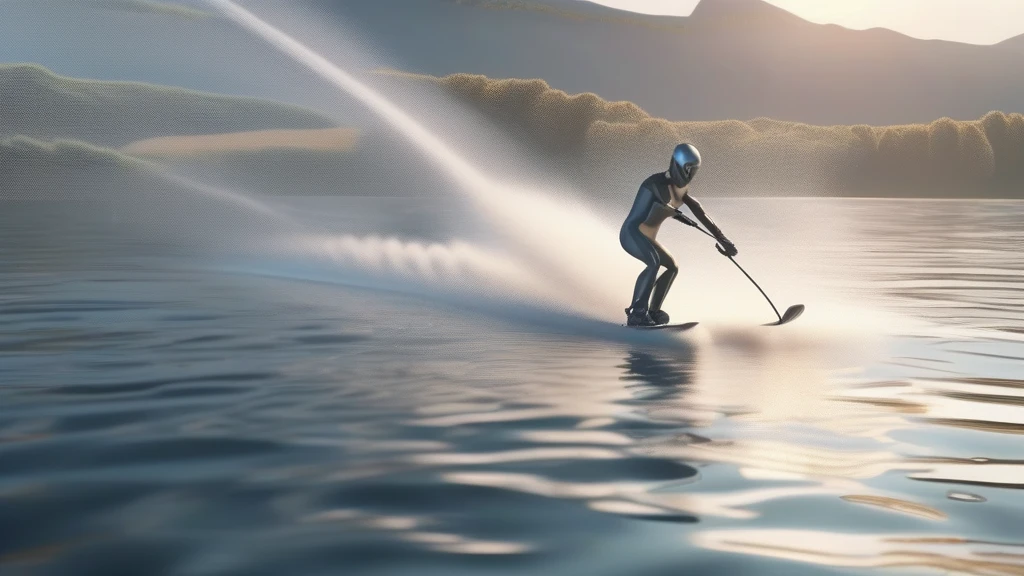
Trick water skiing is a thrilling water sport that demands precision, agility, and balance. Whether you’re spinning, flipping, or executing complex stunts, the right pair of trick water skis can dramatically enhance your performance and safety on the water. However, with a wide range of trick skis available—each designed with different materials, fin systems, bindings, and user profiles—it can be challenging to select the perfect pair that matches your specific needs.
In this article, we break down the various types of trick water skis according to use cases, skill levels, and user preferences. We’ll explore how ski construction, fin configurations, boot styles, and eco-friendly features align with different activities and goals, empowering you to make an informed decision for your next water skiing adventure.
Understanding Trick Water Skis: Core Features and Construction
Before diving into use cases, it’s important to grasp the fundamental characteristics that define trick water skis:
-
Lightweight and Durable Materials: Most trick skis utilize advanced composites such as carbon fiber, Kevlar reinforcements, fiberglass, and aluminum components. These materials strike a balance between strength and lightness, crucial for rapid maneuverability and impact resistance during tricks.
-
Fin Systems: Adjustable, detachable, fixed, or finless designs allow customization of stability and responsiveness. Proper fin choice influences your ability to change direction quickly or maintain control during spins.
-
Boot Styles: Open-toe vs. closed-toe, fixed vs. adjustable bindings impact comfort, safety, and fit. Quick-release mechanisms and anti-slip features ensure secure yet safe foot placement during high-impact moves.
-
Portability & Sustainability: Compact sizes (typically 40–48 inches), foldable designs, and included carry bags enhance transportability. Many manufacturers now incorporate biodegradable coatings and recyclable materials, reflecting growing eco-consciousness in water sports.
With these features in mind, let’s explore how specific trick water skis cater to different skill levels and use scenarios.
1. Beginner Use Case: Stability and Confidence on the Water
Ideal Ski Characteristics for Beginners
Newcomers to trick water skiing benefit most from skis designed for stability, ease of use, and safety. Beginner skis typically feature:
-
Fiberglass or aluminum-reinforced construction: These materials provide a durable yet forgiving flex, absorbing shocks from landings and reducing fatigue.
-
Fixed or adjustable fins with moderate size: Larger, fixed fins enhance directional stability, helping beginners maintain control during spins and turns.
-
Open-toe adjustable bindings with anti-slip soles: These allow comfortable foot entry and exit with secure fit, essential for safety as new skiers learn to balance.
-
Wider ski bodies (around 45–48 inches in length): A slightly larger surface area improves flotation and balance on calm water.
Use Case Example: Recreational Trick Skiing and Fitness Training
If you’re learning basic freestyle moves or using trick skiing as a fun fitness activity, beginner skis provide the confidence and control necessary to progress without overwhelming complexity. Their durable fiberglass shells and adjustable fin setups help you adapt as skills improve while minimizing risk.
2. Intermediate and Enthusiast Use Case: Refining Skills and Performing Advanced Maneuvers
Ski Features Tailored for Enthusiasts
For skiers who have mastered the basics and are pushing their freestyle repertoire, skis with enhanced responsiveness and customization are ideal. Characteristics include:
-
Carbon fiber and Kevlar composites: These materials reduce weight while increasing stiffness and impact resistance, allowing more precise control during rapid spins and flips.
-
Detachable and adjustable fin systems: Offer tuning options for different water conditions and trick styles, balancing between stability and agility.
-
Closed-toe adjustable boots with quick-release bindings: Provide a snug fit that improves power transfer, with safety mechanisms for quick detachment during falls.
-
Moderately compact dimensions (around 42–45 inches): Facilitate quick directional changes without sacrificing flotation.
Use Case Example: Freestyle Trick Skiing and Competitive Practice
Intermediate skiers focusing on freestyle training and entering competitions benefit from skis that support rapid movements while ensuring durability. The combination of carbon fiber and Kevlar construction delivers the strength and lightness needed for complex tricks, while customizable fins and boot systems enable fine-tuning to personal preferences and water conditions.
3. Advanced and Competitive Use Case: Peak Performance and Durability
High-Performance Ski Attributes
Professional and competitive trick water skiers demand the highest level of precision, stability, and safety. Ski features typically include:
-
Premium carbon fiber frames with Kevlar reinforcement: These provide exceptional stiffness-to-weight ratios, crucial for explosive maneuvers and repeated high-impact landings.
-
Fully customizable fin systems, often with multiple fin options: Allow athletes to adapt skis for various trick styles and water surfaces, optimizing grip and control.
-
Closed-toe fixed boots with integrated shock absorption and advanced quick-release mechanisms: Ensure maximum power transfer and secure footing while minimizing injury risk.
-
Compact, streamlined shapes (40–42 inches): Promote agility and rapid responsiveness necessary for competitive routines.
-
Weather and UV resistant coatings: Maintain ski integrity through extensive outdoor use.
Use Case Example: Professional Competitions and Water Stunt Performances
At this level, skis must withstand rigorous use while enabling flawless execution of spins, flips, and rapid directional switches. The combination of cutting-edge materials and finely tuned fin and boot setups allows athletes to push the limits of trick water skiing with confidence.
4. Specialized Use Case: Eco-Conscious Skiing and Travel-Friendly Options
Eco-Friendly and Portable Ski Features
For environmentally conscious skiers or those needing easy transport for travel, certain skis are designed with:
-
Biodegradable coatings and recyclable materials: Reduce environmental footprint without compromising durability.
-
Foldable or compact designs with included carry bags: Facilitate convenient packing and storage.
-
Lightweight construction using sustainable composites: Maintain performance while supporting green manufacturing practices.
-
Adjustable fins and bindings optimized for quick assembly and disassembly: Allow easy setup in diverse locations.
Use Case Example: Traveling Skiers and Eco-Friendly Enthusiasts
If you frequently travel to different lakes or coastal areas or prioritize sustainability, look for trick water skis emphasizing portability and environmental responsibility. These models often balance advanced materials with green production methods, providing a guilt-free way to enjoy your sport without sacrificing quality.
Practical Tips for Matching Your Skill Level and Needs
-
Assess your current skill level honestly: Beginners should prioritize stability and safety, while advanced skiers can focus on high-performance customization.
-
Consider your primary activity: Leisure skiing, fitness training, competitive trick skiing, or stunt performance all have slightly different demands on ski features.
-
Think about water conditions: Calm lakes favor smaller, more agile skis with adjustable fins; rougher waters may require more stability and larger fins.
-
Factor in portability: If you travel often, look for compact, foldable skis with carrying cases.
-
Evaluate boot comfort and safety features: Quick-release bindings and anti-slip soles are essential for all levels but especially important for beginners and competitive athletes doing high-impact maneuvers.
-
Explore eco-friendly options: Sustainable materials and recyclable components are increasingly common and worth considering for environmentally conscious buyers.
Conclusion
Choosing the right trick water skis involves balancing your skill level, activity goals, and personal preferences with the technical features and materials of the skis. From durable fiberglass models designed for beginners to ultra-light, carbon fiber skis built for professionals, the right pair can enhance your control, safety, and enjoyment on the water.
By understanding the differences in construction, fin systems, boot styles, and portability options, you can select skis that not only fit your current abilities but also support your progression in this dynamic and exciting sport. Whether you're starting out or competing at the highest levels, there’s a trick water ski perfectly suited to help you master your freestyle ambitions.