
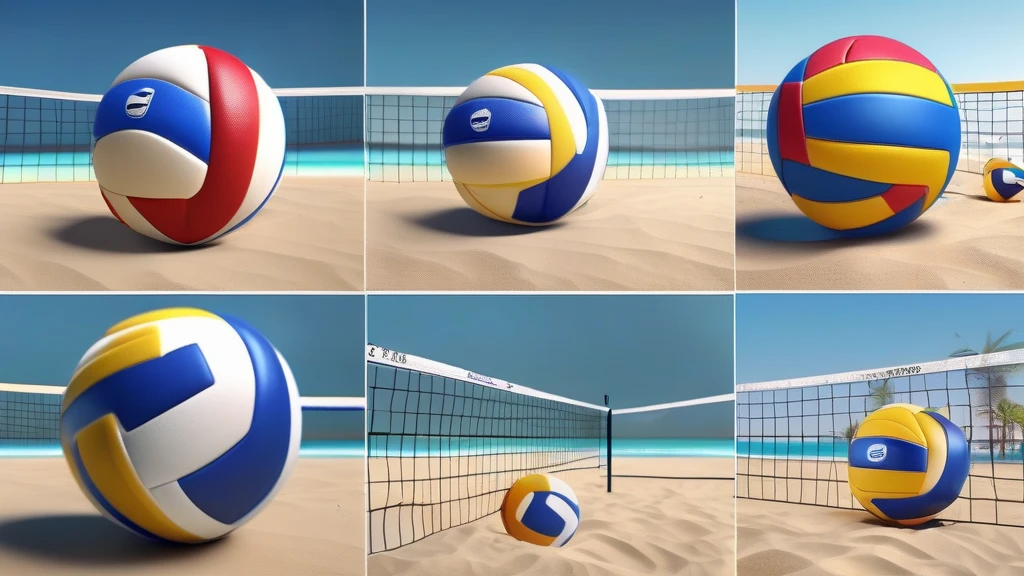
Choosing the right volleyball can significantly impact your performance, enjoyment, and skill development—whether you're a professional athlete, a coach, or a recreational player. Volleyballs come in various types designed for specific environments, skill levels, and use cases, each with unique features that affect playability, durability, and maintenance. This article breaks down the key volleyball types and matches them to your needs, helping you make an informed decision based on your playing context.
Understanding Volleyball Types and Their Key Features
Before diving into use cases, it’s essential to understand the core characteristics that distinguish volleyballs:
- Materials: High-performance volleyballs typically use composite or synthetic leather for a soft yet durable cover. Some incorporate microfiber or tear-resistant rubber for enhanced grip and longevity.
- Air Retention: Bladders made from butyl or latex ensure consistent pressure and bounce quality. Butyl bladders offer superior air retention, while latex provides a softer feel.
- Surface Texture: Textured or anti-slip surfaces improve grip and ball control, crucial for fast-paced play and precise setting or spiking.
- Durability Enhancements: Reinforced stitching or high-tension panels boost ball life, especially in competitive or outdoor settings.
- Special Features: Adjustable pressure settings and training-size options help tailor responsiveness for various skill levels and practice intensities.
- Environmental Resistance: Waterproof and UV-resistant coatings are standard for beach volleyballs to withstand sand, sun exposure, and moisture.
- Certifications: Balls certified by FIVB, NCAA, TÜV, ISO, or CE meet strict quality and size standards for official competitions.
Use Case 1: Indoor League Matches and Competitive Play
Best Volleyball Type: Official Tournament Volleyballs
If you participate in indoor league matches or competitive tournaments, regulation-size volleyballs certified by organizations like FIVB or NCAA are essential. These balls offer:
- Consistent Bounce and Flight: Thanks to butyl bladders that maintain stable air pressure.
- Superior Playability: Composite or synthetic leather covers provide a soft touch without sacrificing durability.
- Enhanced Grip: Textured surfaces allow for precise ball control during fast rallies.
- Durability: High-tension panels and reinforced stitching withstand the rigors of intense play.
For example, a volleyball designed with a microfiber composite cover and butyl bladder is ideal for indoor courts where precise control and consistent bounce are critical.
Practical Advice
- Select balls with excellent air retention to minimize frequent inflation during matches.
- Choose certified balls to ensure compliance with league rules.
- Maintain your volleyball by regularly checking pressure and keeping it clean to preserve grip and performance.
Use Case 2: Beach Volleyball Tournaments and Recreational Play
Best Volleyball Type: Beach Volleyballs with Weather-Resistant Features
Beach volleyball requires balls built to endure sand abrasion, moisture, and UV exposure. Look for:
- Waterproof and UV-Resistant Coatings: These protect the ball from sun damage and water absorption.
- Tear-Resistant Rubber or Composite Covers: Designed to withstand rough outdoor conditions.
- Textured, Anti-Slip Surfaces: Aid grip even when the ball is wet or sandy.
- Butyl Bladders: Retain air pressure despite temperature changes common at the beach.
Beach volleyballs tend to be slightly larger and lighter than indoor balls to accommodate outdoor play dynamics.
Practical Advice
- Opt for balls with eco-friendly materials and recyclable components to support sustainability.
- After play, rinse the ball with fresh water to remove sand and salt, then dry thoroughly.
- Store balls away from direct sunlight to prolong UV-resistant coatings.
Use Case 3: Professional Training and Skill Development
Best Volleyball Type: Training Balls with Adjustable Pressure and Size
Coaches and athletes focusing on skill development benefit from training volleyballs equipped with features like:
- Adjustable Pressure Settings: Allow modification of bounce and responsiveness to simulate different game scenarios or accommodate beginners.
- Lightweight and Impact-Resistant Designs: Reduce fatigue during extended practice sessions and minimize injury risk.
- Varied Sizes: Smaller or lighter balls help younger players or beginners improve hand-eye coordination and technique before advancing to regulation balls.
- Durable Construction: Reinforced stitching and high-tension panels ensure balls withstand repetitive drills.
For example, a synthetic leather training ball with an adjustable butyl bladder offers versatility for multiple skill levels.
Practical Advice
- Use lower pressure settings for beginners to control ball speed and reduce impact.
- Incorporate size-specific balls in youth training programs to build confidence.
- Rotate training balls with standard competition balls to prepare athletes for real-game conditions.
Use Case 4: Recreational and Casual Play
Best Volleyball Type: Multi-Surface Volleyballs for Versatility
Casual players often enjoy volleyball in varied environments such as grass, hard courts, or backyard sand pits. Multi-surface volleyballs provide:
- Balanced Durability and Comfort: Composite covers that perform well on different terrains.
- Good Air Retention: Butyl bladders to retain pressure for consistent play.
- Moderate Weight and Size: Regulation size but slightly softer for recreational use.
- Non-Toxic and Child-Safe Coatings: Important when playing with mixed-age groups.
These volleyballs are designed to be versatile and forgiving, accommodating occasional players who value convenience over specialized features.
Practical Advice
- Select balls with textured surfaces for better grip in diverse conditions.
- Inspect balls periodically for wear, especially on rough outdoor surfaces.
- Store balls inflated to recommended pressure to avoid deformation.
Additional Considerations: Sustainability and Maintenance
Eco-Friendly Volleyballs
More manufacturers are producing volleyballs using recyclable materials and sustainable manufacturing processes. These balls:
- Feature non-toxic coatings and child-safe designs.
- Use eco-conscious composites or synthetic leather alternatives.
- Contribute to reducing environmental impact without compromising performance.
Choosing such volleyballs supports greener sports practices.
Maintenance Tips to Extend Volleyball Lifespan
- Proper Inflation: Use a pressure gauge to maintain recommended PSI levels, typically between 4.3 to 4.6 psi for indoor balls.
- Cleaning: Wipe down with a damp cloth after use; avoid harsh chemicals that degrade materials.
- Repair: Minor punctures can sometimes be fixed with repair kits designed for butyl bladders.
- Storage: Keep volleyballs in cool, dry places away from direct sunlight and extreme temperatures.
Consistent maintenance preserves ball integrity, ensuring optimal performance over time.
Summary: Matching Volleyballs to Your Needs
| Use Case | Recommended Volleyball Features | Key Benefits |
|---|---|---|
| Indoor League Matches | Certified, composite leather, butyl bladder, textured surface | Consistent bounce, precise control |
| Beach Volleyball Tournaments | Waterproof, UV-resistant, tear-resistant rubber, butyl bladder | Weather durability, grip in sand |
| Professional Training | Adjustable pressure, lightweight, impact-resistant, varied size | Skill development, tailored practice |
| Recreational and Casual Play | Multi-surface composite, non-toxic coatings, moderate weight | Versatility, ease of use |
Selecting the right volleyball enhances your playing experience and supports skill progression. By considering your playing environment, skill level, and specific needs, you can choose a volleyball that delivers optimal performance, durability, and enjoyment for every game or practice session.