
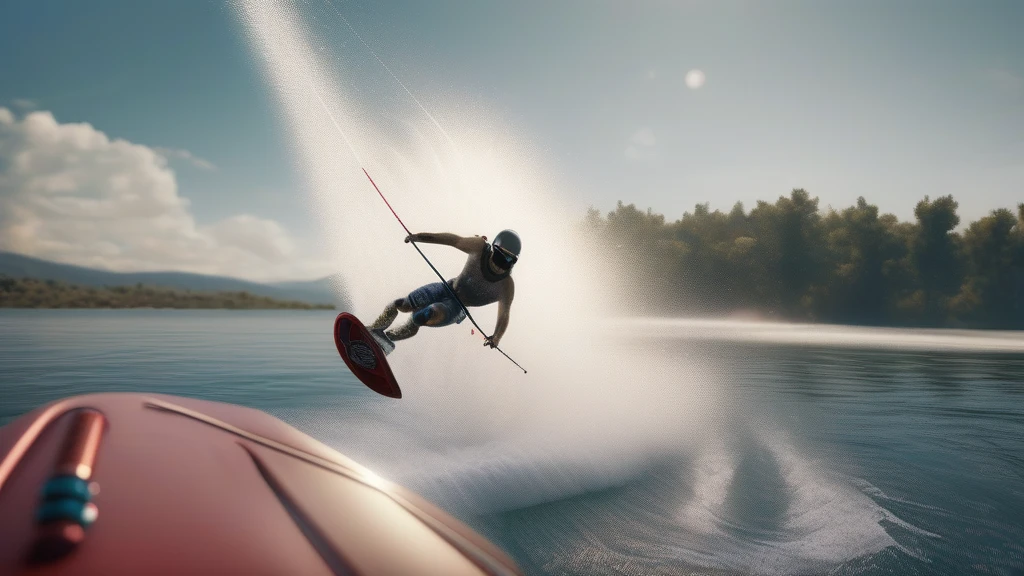
Wakeboarding is an exhilarating water sport that combines speed, skill, and style, offering riders the chance to perform thrilling tricks and jumps while being towed behind a boat or on cable park lines. Choosing the right wakeboard is essential to both enjoying and progressing in the sport, yet the variety of designs, materials, and features can make that decision challenging. In this comprehensive guide, we break down wakeboard types by use case, skill level, and riding style to help you find the perfect match.
Understanding Wakeboard Basics: Key Features and Terminology
Before diving into specific use cases, it’s important to understand the core characteristics that define a wakeboard’s performance and suitability:
-
Construction Materials: Wakeboards typically feature cores made of wood, fiberglass, carbon fiber, or composite blends. Wood cores provide natural flex and durability, fiberglass adds strength and responsiveness, and carbon fiber offers ultra-lightweight stiffness favored by advanced riders.
-
Rocker Profile: The rocker is the board’s curvature from tip to tail. Common profiles include:
- Continuous Rocker: Smooth, consistent curve for faster speeds and smooth landings.
- 3-Stage Rocker: Flat sections with defined kicks for explosive pop off the wake.
- Hybrid Rocker: Combines continuous and 3-stage benefits for versatility.
-
High Rocker: Pronounced curve for aggressive turns and maneuverability.
-
Fin Configuration: Fins affect stability and control. Options range from no fins (optimal for cable parks), to twin or quad fin setups for enhanced grip and carving.
-
Safety Features: Reinforced edges and rails protect against impact, while ergonomic bindings with quick-release systems ensure rider safety.
-
Size and Weight: Board length and width impact stability and responsiveness, and must be chosen based on rider weight and skill.
Wakeboard Use Cases: Matching Boards to Rider Needs
1. Beginners: Stability and Confidence Builders
Who they are: Newcomers to wakeboarding who want to develop skills safely and enjoy the experience without frustration.
Recommended board features:
- Rocker: Continuous rocker profile for smooth, predictable rides and forgiving landings.
- Size: Slightly longer and wider boards (around 136-142 cm) provide extra stability.
- Fins: Single or twin fin setups to help with directional control without being overly aggressive.
- Materials: Durable wood or fiberglass cores offer solid construction without excessive stiffness.
- Safety: Reinforced edges and comfortable, adjustable bindings with secure but not overly tight fit.
Why this works: Continuous rocker boards glide smoothly on water, reducing chances of catching edges and falling. Stability-focused dimensions help beginners maintain balance. Durable materials withstand early impacts, and ergonomic bindings keep feet secure without discomfort.
2. Intermediate Riders: Progressing Through Freestyle
Who they are: Riders comfortable with basics, looking to improve tricks, jumps, and control.
Recommended board features:
- Rocker: Hybrid rocker to balance pop off wakes with smooth landings.
- Size: Medium length (around 134-138 cm) for agility without sacrificing stability.
- Fins: Twin or quad fin setups for sharper carving and better edge hold.
- Materials: Composite blends or fiberglass with wood cores for balanced flex and responsiveness.
- Additional Features: Progressive tips that help with smooth water entry and takeoff.
Why this works: Hybrid rockers give riders the versatility to try various tricks, while fin setups increase maneuverability. Medium-sized boards provide the right mix of control and speed. Composite materials ensure the right flex pattern for freestyle moves.
3. Advanced and Competitive Riders: High Performance and Precision
Who they are: Experienced athletes who demand peak performance for stunts, competitions, and intense sessions.
Recommended board features:
- Rocker: 3-stage or high rocker profiles for explosive pop and quick responsiveness.
- Size: Shorter, narrower boards (130-136 cm) for maximum maneuverability.
- Fins: Adjustable quad fin systems tailored to water conditions and riding style.
- Materials: High-end carbon fiber cores for lightweight strength and stiffness.
- Safety: Reinforced edges, protective rails, and bindings with quick-release technology.
- Certifications: Boards meeting marine safety standards (ISO, CE, TÜV) and backed by warranties.
Why this works: 3-stage rockers create powerful lift off wakes, crucial for aerial tricks. Carbon fiber construction reduces weight while increasing stiffness, allowing precise control. Adjustable fins let riders fine-tune performance on the fly.
4. Cable Park Enthusiasts: Specialized Boards for Rail and Obstacle Riding
Who they are: Riders who primarily use cable parks, where boards are pulled on cables and must handle obstacles like rails and kickers.
Recommended board features:
- Rocker: Mostly continuous or hybrid for smooth speed and landings.
- Fins: No fins or very small fins to prevent snagging on rails.
- Materials: Durable composite or fiberglass with reinforced edges to withstand abrasion.
- Design: Boards with protective rails and impact-resistant topsheets.
- Size: Medium length for easy maneuvering around park features.
Why this works: Absence of fins reduces risk of catching on rails, and reinforced edges protect the board during impacts. Continuous rockers provide speed control, while durable materials extend board lifespan despite frequent contact with obstacles.
Material Matters: Choosing the Right Core for Your Riding Style
-
Wood Cores: Offer natural flex and responsiveness, favored by beginners and freestyle riders who want a lively feel. Wood is also renewable and biodegradable, contributing to eco-friendly choices.
-
Fiberglass: Adds strength and slightly more stiffness, creating a balanced board suitable for intermediate riders who want durability and performance.
-
Carbon Fiber: The lightest and stiffest option, ideal for advanced riders needing maximum pop and control. Carbon fiber boards often feature premium finishes and come with higher price points but offer longevity and competitive advantages.
-
Composite Blends: Combine materials to optimize weight, flex, and durability, catering to all-around performance.
Sustainability in Wakeboarding: Eco-Friendly Innovations
Wakeboarding brands increasingly focus on reducing environmental impact by:
- Using biodegradable resins and recyclable materials in board construction.
- Implementing sustainable wood harvesting practices for cores.
- Designing durable boards that extend product life cycles.
- Offering eco-conscious accessories like reusable carry bags and fin kits made from recycled plastics.
Choosing boards built with these innovations supports both your passion for the sport and care for natural waterways.
Maintenance, Safety, and Travel Tips
-
Maintenance: Rinse boards with fresh water after use, check fins and bindings regularly for damage, and store in cool, shaded areas to prevent warping.
-
Safety: Always use boards with certified bindings featuring quick-release systems. Wear impact vests and helmets during aggressive riding.
-
Travel: Opt for lightweight boards with included padded carry bags for easy transport. Compact sizes and durable finishes make traveling to spots hassle-free.
Summary: Making the Right Wakeboard Choice
Selecting the ideal wakeboard depends on your skill level, riding environment, and personal goals.
| Rider Level | Rocker Profile | Material | Fins | Board Size | Use Case Focus |
|---|---|---|---|---|---|
| Beginner | Continuous | Wood/Fiberglass | Single/Twin | Longer/Wider | Stability, confidence |
| Intermediate | Hybrid | Composite/Fiberglass | Twin/Quad | Medium | Freestyle progression |
| Advanced | 3-Stage/High | Carbon Fiber | Adjustable Quad | Shorter/Narrow | Competition, tricks |
| Cable Park Rider | Continuous/Hybrid | Composite/Fiberglass | No fins/Small fins | Medium | Rail and obstacle riding |
By understanding these distinctions and the technical features behind them, riders can confidently choose a wakeboard that enhances their experience and supports their growth on the water.
Wakeboarding is as much about finding the right equipment as it is about practice and passion. With the right board tailored to your needs, you’ll be carving wakes, hitting kickers, and landing tricks with greater ease and safety. Whether you’re just starting out or pushing the limits of the sport, the perfect wakeboard is out there waiting for you.