
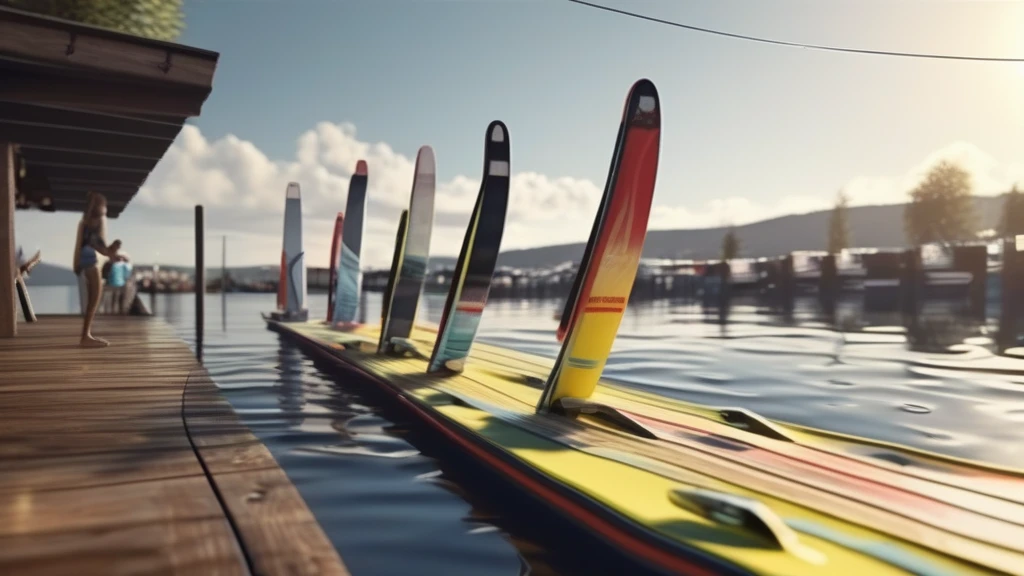
Water skiing is a thrilling water sport that appeals to a broad spectrum of enthusiasts—from novices seeking recreational fun to elite athletes pushing the boundaries of speed and tricks. Choosing the right water ski is pivotal to enjoying the sport safely and maximizing your performance on the water. Given the wide range of skis available, each tailored to different activities, skill levels, and user needs, it’s essential to understand how these specialized skis align with your personal goals.
This comprehensive guide breaks down the main types of water skis, their key features, and the best use cases for each. By understanding the construction, design, and performance characteristics, you’ll be empowered to select the ideal skis for your water skiing adventures.
Understanding the Core Categories of Water Skis
Water skis are broadly divided into four main subcategories, each engineered for distinct styles of skiing and user expertise:
- Beginner Recreational Skis
- Show Skis
- Freestyle Skis
- Speed and Slalom Skis
Each category emphasizes different design priorities such as stability, maneuverability, performance, or durability.
Beginner Recreational Skis: Stability and Comfort for Newcomers
Who They’re For
These skis are perfect for beginners and casual recreational skiers who prioritize ease of use, stability, and comfort over high performance.
Key Features
- Wide, Longer Designs: Recreational skis tend to have a wider and longer shape to provide superior balance, making it easier to stay upright and maintain control.
- Materials: Typically constructed from fiberglass or polyurethane cores, offering good durability while remaining lightweight.
- Bindings & Boots: Adjustable, ergonomic boots with soft padding and anti-slip surfaces ensure comfort and quick adaptability to different foot sizes.
- Safety: Quick-release bindings and smooth-edged designs reduce injury risk during falls.
- Portability: Many come with carry bags and compact designs for easy transport.
Best Use Cases
- Learning to water ski for the first time
- Family outings and casual lakeside fun
- Ski schools and beginner rental fleets
Practical Tip
When starting out, prioritize skis with a solid polyurethane core and adjustable bindings to accommodate growth and varying foot sizes. This will improve your confidence and reduce fatigue during longer sessions.
Show Skis: Designed for Team Performances and Entertainment
Who They’re For
Show skis cater to skilled skiers involved in team shows, theatrical performances, and entertainment events on the water. They need to combine stability with aesthetics and durability.
Key Features
- Durable Construction: Use of advanced materials such as Kevlar reinforcements and fiberglass layers to withstand repeated impacts during dynamic routines.
- Customizable Components: Detachable fins and bindings allow performers to tailor stability and maneuverability for group formations.
- Ergonomic Design: Comfortable boots with enhanced ankle support minimize fatigue during extended performances.
- Safety Certifications: Compliance with Marine Safety, ISO, and CE standards ensures reliable protection during complex maneuvers.
- Visual Appeal: Sleek finishes and vibrant colors designed to stand out in show environments.
Best Use Cases
- Professional water ski shows and team exhibitions
- Entertainment-focused skiing with choreographed stunts
- Performers requiring durable, high-visibility equipment
Practical Tip
Show skis often feature reinforced polyurethane cores combined with aluminum reinforcements for extra strength, so invest in skis that balance durability with lightweight agility to sustain high-energy routines without compromising speed.
Freestyle Skis: Optimized for Tricks and Advanced Maneuvers
Who They’re For
Freestyle skis are tailored for advanced skiers who enjoy performing tricks, jumps, and aerial maneuvers.
Key Features
- Short, Wide Profile: Compact dimensions promote agility and quick directional changes.
- Lightweight Materials: Carbon fiber and composite blends reduce weight for easier lift-off during jumps.
- Detachable Fins: Allows fine-tuning of control and responsiveness depending on water conditions.
- Ergonomic, Secure Bindings: Designed to keep feet firmly in place while allowing enough flexibility for complex tricks without risking injury.
- Eco-Conscious Production: Many freestyle skis use sustainable manufacturing processes to reduce environmental impact.
Best Use Cases
- Advanced trick skiing and competitive freestyle events
- Skiers seeking high responsiveness and control
- Those practicing jumps, spins, and other acrobatics on water
Practical Tip
Look for freestyle skis featuring carbon fiber layers over polyurethane cores to strike a balance between flexibility and strength, enabling explosive movements without compromising durability.
Speed and Slalom Skis: Precision, Agility, and High Performance
Who They’re For
These skis are designed for elite athletes focused on racing, speed runs, and slalom courses where precision and agility are paramount.
Key Features
- Narrow, Long Designs: Streamlined shapes minimize drag and maximize cutting efficiency through water.
- High-Tech Materials: Carbon fiber and Kevlar composites combined with aluminum reinforcements provide exceptional stiffness and responsiveness.
- Adjustable Fins: Precision-tuned fins enhance grip and carving ability during high-speed turns.
- Ergonomic Bindings: Secure, low-profile boots designed for optimal power transfer and minimal foot movement.
- Safety Standards: Certified to ISO and TÜV requirements to support extreme performance with user protection.
Best Use Cases
- Competitive slalom skiing and speed racing
- Advanced skiers requiring maximum responsiveness
- Training and performance in professional water sport events
Practical Tip
Prioritize skis with carbon fiber reinforcement and aluminum fin mounts for the best blend of lightweight speed and structural integrity under intense pressure.
Matching Your Water Ski to Your Skill Level and Goals
When choosing water skis, consider these factors alongside the type of skiing you intend to do:
| Skill Level | Recommended Ski Type | Key Features to Focus On |
|---|---|---|
| Beginner | Recreational Skis | Stability, comfort, safety features |
| Intermediate | Freestyle or Show Skis | Agility, durability, customization |
| Advanced | Freestyle or Slalom Skis | Lightweight materials, responsiveness |
| Elite/Competitive | Speed and Slalom Skis | Precision, stiffness, high-tech materials |
Additional Considerations: Materials, Safety, and Sustainability
Materials Matter
The choice of materials impacts durability, performance, and eco-friendliness:
- Carbon Fiber: Offers unmatched strength-to-weight ratio, ideal for freestyle and racing skis.
- Kevlar: Adds impact resistance, especially valuable in show and speed skis.
- Fiberglass and Polyurethane Cores: Provide a balance of flexibility and durability, common in recreational skis.
- Aluminum Reinforcements: Improve structural integrity, particularly in fin mounts.
Safety Features to Look For
- Quick-release bindings to prevent injury during falls.
- Certified compliance with standards such as ISO, CE, TÜV, and Marine Safety.
- Ergonomic, anti-slip footpads and smooth-edged designs.
- Robust construction to withstand environmental stresses without failure.
Sustainability in Production
Many manufacturers now employ eco-conscious methods such as using recycled materials and low-impact processes, helping reduce the sport’s environmental footprint.
Maintenance and Portability Tips
- Regular Inspection: Check bindings, fins, and ski surfaces for wear or damage before each use.
- Cleaning: Rinse skis with fresh water after exposure to saltwater to prevent corrosion.
- Storage: Store skis in cool, dry places, preferably in padded carry bags.
- Travel Convenience: Opt for foldable or compact designs with included repair kits for on-the-go maintenance during competitions or shows.
Conclusion
Selecting the right water ski is a blend of understanding the sport’s demands, your skill level, and your personal preferences. Whether you’re a beginner eager for stable, comfortable skis or an elite athlete chasing speed and precision, the diverse range of water skis available today offers specialized features to match your needs.
By focusing on the specific characteristics—materials, design profiles, safety features, and intended use cases—you can make an informed choice that enhances your enjoyment, performance, and safety on the water. Embrace the right equipment, and your water skiing experience will be more rewarding and exhilarating than ever before.