
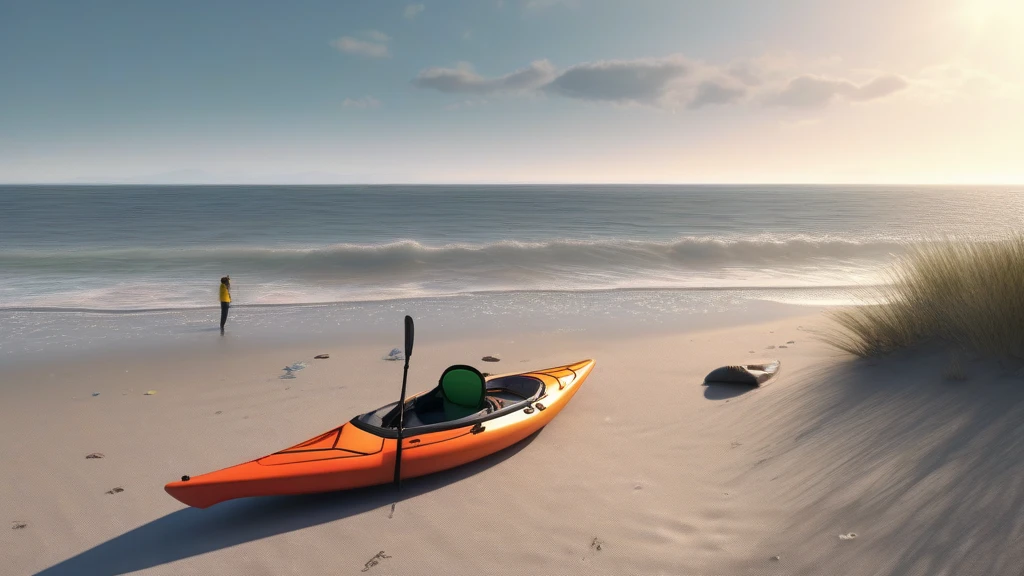
Choosing the right whitewater kayak—or more accurately, the right touring or sea kayak designed for challenging water environments—can be a transformative decision for paddlers seeking adventure, fitness, or exploration on tidal waters, coastal bays, and expansive lakes. Although the category name suggests whitewater use, most kayaks in this segment are optimized for stability, speed, and endurance in oceanic and tidal environments rather than rapid river rapids. This guide breaks down the different types of whitewater/touring kayaks by use case, skill level, and user needs to help you make an informed choice.
Understanding Whitewater Kayaks in the Coastal and Touring Context
Before diving into specific use cases, it’s important to clarify the unique characteristics of kayaks in this category:
- Materials: Most models use advanced materials such as carbon fiber, Kevlar, fiberglass, rotomolded polyethylene, thermoformed ABS, or high-density polypropylene. These materials strike a balance between lightweight performance, durability, UV resistance, and impact protection.
- Design Features: Expect features like adjustable seating, spray skirts for splash protection, skegs for directional control, deck bungees, and storage hatches to secure gear.
- Portability: Many kayaks offer foldable or compact designs with integrated carrying systems—shoulder straps, deck handles, or wheels—that improve transportability.
- Capacity & Certification: Weight capacities generally range from 300–500 lbs, suitable for solo or tandem use, with compliance to safety certifications such as US Coast Guard, TÜV, CE, or ISO standards.
Now, let’s explore which kayak suits your paddling style and environment.
Use Case Breakdown
1. Coastal Exploration and Multi-Day Touring
Best Kayak Type: Lightweight, durable touring sea kayaks with enhanced storage and stability.
Why This Matters
Coastal exploration demands kayaks that can handle varying conditions such as tidal currents, waves, and wind. A stable hull combined with good speed conserves energy for long distances, while ample storage allows for multi-day gear.
Key Features to Look For
- Material: Carbon fiber or Kevlar for lightweight endurance and impact resistance.
- Length & Beam: Longer kayaks (15-18 feet) provide better glide and speed; moderate beam (24-26 inches) balances stability with maneuverability.
- Storage: Multiple watertight hatches and deck bungees for dry gear storage.
- Skeg: Adjustable skeg to maintain directional control in crosswinds and currents.
- Portability: Foldable designs or integrated carrying systems for easy transport.
Example Scenario
An intermediate paddler planning a 3-day coastal trip would benefit from a Kevlar touring kayak with a capacity of ~400 lbs, adjustable seating for comfort, and a skeg for improved tracking. The kayak’s UV-resistant finish and durable hull protect against frequent exposure to saltwater and sun.
2. Fitness Paddling and Endurance Training
Best Kayak Type: Sleek, performance-oriented sea kayaks with lightweight construction and responsive handling.
Why This Matters
Fitness paddlers prioritize speed, efficiency, and paddling ergonomics. A kayak that minimizes drag and allows for long, powerful strokes will maximize workout benefits.
Key Features to Look For
- Material: Carbon fiber or fiberglass for reduced weight.
- Design: Narrower beam (22-24 inches), longer length (16-18 feet), and streamlined hull shape.
- Adjustability: Ergonomic adjustable seats and foot braces to optimize paddling posture.
- Storage: Minimal storage to keep weight down but enough for hydration and essentials.
- Safety Certifications: US Coast Guard or CE compliance for peace of mind during extended sessions.
Example Scenario
An expert paddler seeking daily tidal water workouts may select a carbon fiber kayak with a lightweight, thermoformed ABS hull and reinforced plastic paddles. The kayak’s compact design allows easy transport to different locations, while its responsive hull supports quick acceleration and tight turns for interval training.
3. Tidal Water Navigation and Estuary Exploration
Best Kayak Type: Stable, maneuverable kayaks with robust construction and enhanced safety features.
Why This Matters
Tidal waters and estuaries present changing currents, shallow areas, and occasional debris. Stability and durability are crucial, as is ease of control.
Key Features to Look For
- Material: Rotomolded polyethylene or high-density polypropylene for impact resistance.
- Beam: Wider beam (26-28 inches) for enhanced stability.
- Durability: UV-resistant coatings and scratch-resistant hull finishes.
- Safety: Compliance with TÜV or ISO certifications.
- Portability: Integrated deck handles and shoulder straps for quick launches and recovery.
Example Scenario
A beginner paddler exploring tidal estuaries can benefit from a rotomolded polyethylene kayak with a wider hull for stability and a skeg to maintain course in shifting currents. Its high load capacity (~350 lbs) allows for carrying extra safety gear and snacks.
4. Lake Expeditions and Recreational Touring
Best Kayak Type: Versatile, easy-to-handle kayaks with moderate weight and comfortable seating.
Why This Matters
Lake paddling usually involves calmer waters but may include wind and waves. Kayaks for this purpose need to be stable, comfortable, and easy to transport.
Key Features to Look For
- Material: Fiberglass or thermoformed ABS for a lighter but durable design.
- Length & Beam: Medium length (14-16 feet) and beam (24-26 inches) for balance.
- Comfort: Adjustable seating and spray skirts to protect from splashes.
- Portability: Foldable or compact designs with wheels or shoulder straps.
- Storage: Moderate storage hatches for picnic gear or safety equipment.
Example Scenario
A recreational paddler with some experience may prefer a fiberglass kayak with adjustable seating and a durable hull that resists UV damage. The kayak’s foldable design and carrying handles simplify transport to remote lakes.
5. Solo vs. Tandem Kayaking
Choosing the Right Configuration
- Solo Kayaks: Typically 14–18 feet long with a single cockpit, optimized for agility and speed. Ideal for fitness paddlers and solo explorers.
- Tandem Kayaks: Longer (16–20 feet), with two cockpits or a large cockpit for tandem paddling. Great for family outings, beginner paddlers paired with experts, or those carrying extra gear.
Considerations
- Tandem kayaks tend to have higher load capacities (up to 500 lbs).
- Solo kayaks offer better maneuverability but require higher skill to handle in rough conditions.
- Many kayaks are designed to be convertible between solo and tandem with removable seats.
Additional Considerations for Selecting Your Whitewater Kayak
Materials Matter: Durability vs. Weight
- Carbon Fiber: Lightest and most responsive but usually the most expensive and less impact-tolerant.
- Kevlar: Strong and lightweight, excellent for coastal kayaking with moderate impact resistance.
- Fiberglass: Balanced weight and cost, good for recreational and fitness paddlers.
- Rotomolded Polyethylene: Most durable and affordable, ideal for tidal and estuary use where hull impacts are common.
- Thermoformed ABS & Polypropylene: Lightweight and UV resistant, suitable for foldable and portable models.
Safety Certifications Explained
- US Coast Guard (USCG): Indicates compliance with U.S. safety standards for recreational boats.
- TÜV and CE: European standards focusing on safety, performance, and environmental impact.
- ISO: International standards for quality and safety in kayak manufacturing.
Choosing kayaks with these certifications ensures reliable construction and performance.
Essential Accessories
- Spray Skirts: Prevent water entry during windy or rough conditions.
- Paddles: Carbon or feathered paddles improve stroke efficiency and reduce fatigue.
- Storage Solutions: Dry bags and deck bungees secure gear on longer trips.
- Transport Aids: Foldability, wheels, and carrying straps simplify logistics.
Maintenance and Care Tips to Maximize Kayak Lifespan
- UV Protection: Regular application of UV protectants shields hulls from sun damage.
- Cleaning: Rinse saltwater kayaks with fresh water after use.
- Storage: Store kayaks indoors or under shade to prevent material degradation.
- Inspection: Routinely check for cracks, hardware corrosion, and wear on seals and spray skirts.
Conclusion
Selecting the right whitewater kayak—whether for coastal expeditions, fitness paddling, tidal navigation, or lake touring—depends on matching the kayak’s materials, design, and features to your specific use case and skill level. Understanding the trade-offs between durability, weight, stability, and portability empowers you to choose a kayak that enhances your paddling experience, supports your goals, and ensures safety on the water.
By considering factors such as kayak construction materials, cockpit configuration, safety certifications, and essential accessories, you can confidently select a kayak that fits your adventure style—be it a solo fitness challenge or a tandem coastal exploration. Remember, the best kayak is one that aligns perfectly with your intended activities, water conditions, and skill progression.
Happy paddling!