
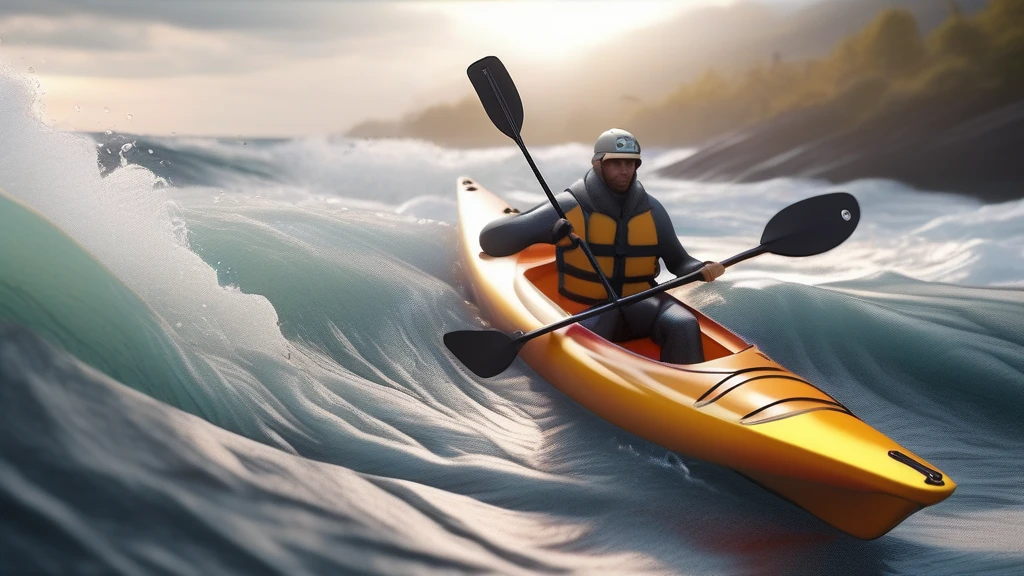
Kayaking along coastal waters, tidal zones, and expansive lakes offers an unmatched blend of adventure, fitness, and serene exploration. While the term "whitewater kayaks" often conjures images of rapid river runs, many kayaks marketed under this category are actually specialized sea and touring kayaks. These vessels emphasize stability, speed, and endurance, optimized for multi-day coastal expeditions rather than intense whitewater rapids.
Understanding the safety essentials for paddling these high-performance touring kayaks is vital for every paddler—from intermediate adventurers to seasoned explorers. This guide covers must-have safety gear, critical paddling techniques, weather and environmental considerations, and emergency preparedness strategies tailored to the unique demands of coastal and tidal kayaking.
Understanding Your Whitewater (Sea Touring) Kayak: Features and Safety Implications
Before diving into safety strategies, it’s important to grasp the characteristics of the kayaks designed for coastal and open-water use, which differ significantly from traditional whitewater creek boats.
Materials and Construction
Modern touring kayaks in this category are typically constructed from advanced materials such as:
- Carbon Fiber and Kevlar: Extremely lightweight and stiff, offering excellent durability and responsiveness for fitness paddling and long-distance touring.
- Fiberglass: Balances weight and toughness, providing a smooth ride and good impact resistance.
- Rotomolded Polyethylene and High-Density Polypropylene: Highly durable and affordable, these materials resist UV damage and impacts but tend to be heavier.
- Thermoformed ABS: Offers a lightweight yet durable shell with UV resistance.
These materials influence not only the kayak’s performance but also its safety profile—lighter kayaks facilitate quicker maneuvering and less fatigue, while durable hulls resist damage from accidental beaching or debris.
Design Features Supporting Safety
Key design elements that enhance safety during extended coastal journeys include:
- Skegs: Adjustable skegs improve directional control in windy or tidal conditions, reducing the risk of unintended drifting.
- Spray Skirts: Essential for keeping water out of the cockpit in rough or choppy waters, maintaining buoyancy and paddler warmth.
- Storage Hatches and Deck Bungees: Secure gear storage prevents loss of critical equipment during rough passages.
- Adjustable Seating and Foot Braces: Enhance paddler stability and control, reducing fatigue and improving response in challenging conditions.
- Portability Features: Shoulder straps, deck handles, or integrated wheels allow safer transport from vehicle to water, minimizing strain and injury risk.
Essential Safety Gear for Coastal and Touring Kayaking
Having the right equipment is the foundation of safe paddling. Beyond the kayak itself, paddlers should equip themselves with accessories that protect, assist, and enable effective response to emergencies.
Personal Flotation Devices (PFDs)
A Coast Guard-approved life jacket specifically designed for kayaking is non-negotiable. Look for PFDs with:
- Adequate Buoyancy: To keep you afloat even if unconscious.
- Freedom of Movement: Low-profile designs that do not restrict paddling strokes.
- Attachment Points: For whistle, knife, and other safety tools.
Paddle Choices and Spare Paddles
Selecting paddles made from carbon fiber or reinforced plastic balances lightweight performance with durability. Feathered paddle blades reduce wind resistance and fatigue. Always carry a spare paddle securely fastened to your kayak to ensure you can continue paddling if one breaks or is lost.
Spray Skirts and Dry Suits
Spray skirts are crucial to prevent water ingress in choppy coastal conditions, maintaining kayak stability. For colder waters or multi-day trips, a dry suit or wetsuit protects against hypothermia by keeping you dry and warm.
Communication and Navigation Devices
- VHF Radio: For real-time communication with coast guards or other vessels.
- Personal Locator Beacons (PLBs) or Satellite Messengers: Provide emergency location signaling when out of cell range.
- Waterproof Maps and GPS Devices: Aid navigation through tidal zones and unfamiliar coastal waters.
Safety and Rescue Equipment
- Bilge Pump or Sponge: For removing water from the cockpit.
- Tow Lines and Throw Bags: Facilitate rescues and assist other paddlers.
- Knife: A sturdy, easily accessible knife is invaluable for cutting entangled lines or spray skirts in emergencies.
- First Aid Kit: Compact and waterproof, tailored to treat common paddling injuries.
Mastering Safety Techniques on the Water
Proper technique is as critical as gear in ensuring your safety. Here are some essential skills every paddler should practice and master.
Efficient Paddling and Maneuvering
Utilize the kayak’s adjustable foot braces and seating to maintain a strong, balanced posture. Learning to use the skeg helps maintain a straight course, especially when encountering currents or wind. Practice different strokes—forward, sweep, draw, and brace—to navigate varying water conditions confidently.
Wet and Dry Exits
Even experienced paddlers can capsize. Knowing how to perform a controlled wet exit (exiting the kayak in water while still clipped into your spray skirt) and a dry exit (exiting safely on land) is critical. Practice re-entry techniques such as the paddle float or assisted re-entry with a partner.
Reading Water and Weather Conditions
Before setting out, study tide charts, wind forecasts, and local weather patterns. Coastal kayaking demands awareness of:
- Tidal Currents: Which can accelerate or impede progress.
- Wind Speed and Direction: Affecting kayak stability and energy expenditure.
- Water Temperature: Influencing hypothermia risk.
Adjust your route and plans accordingly, and always err on the side of caution when marginal conditions appear.
Emergency Preparedness: Planning for the Unexpected
Even with the best gear and technique, emergencies can arise. Preparation is the key to survival and effective response.
Trip Planning and Communication
File a float plan with a trusted contact detailing your route, expected times, and emergency contacts. Regularly check in via VHF or satellite devices when possible.
Group Paddling Safety
Paddling with a group enhances safety. Establish clear communication signals and stick to a formation that keeps all paddlers within sight. Share skills such as self-rescue and towing within the group.
Hypothermia and Exposure Prevention
Know the signs of hypothermia—shivering, confusion, fatigue—and have layered clothing suitable for rapid temperature changes. Carry emergency thermal blankets or bivvy sacks in your dry storage hatch.
Maintenance and Inspection
Regularly inspect your kayak for cracks, deck fittings, and hatch seal integrity. Check all gear before departure, including PFDs, paddles, and safety devices. Proper maintenance reduces the risk of equipment failure when you need it most.
Conclusion
Whitewater kayaks designed for coastal and open-water touring present exciting opportunities for adventure, fitness, and exploration. However, their use demands a strong focus on safety—from understanding the specialized kayak features and selecting the right gear to mastering paddling techniques and preparing for emergencies.
By investing time in learning about kayak materials, safety accessories, environmental awareness, and emergency protocols, paddlers can confidently enjoy their journeys while minimizing risks. Whether embarking on a solo expedition or a group coastal tour, safety is the foundation that transforms every paddle stroke into a rewarding experience.
Remember: Safe paddling begins with preparation and respect for the water’s power. Equip yourself wisely, practice routinely, and stay informed to make the most of your whitewater kayaking adventures.