
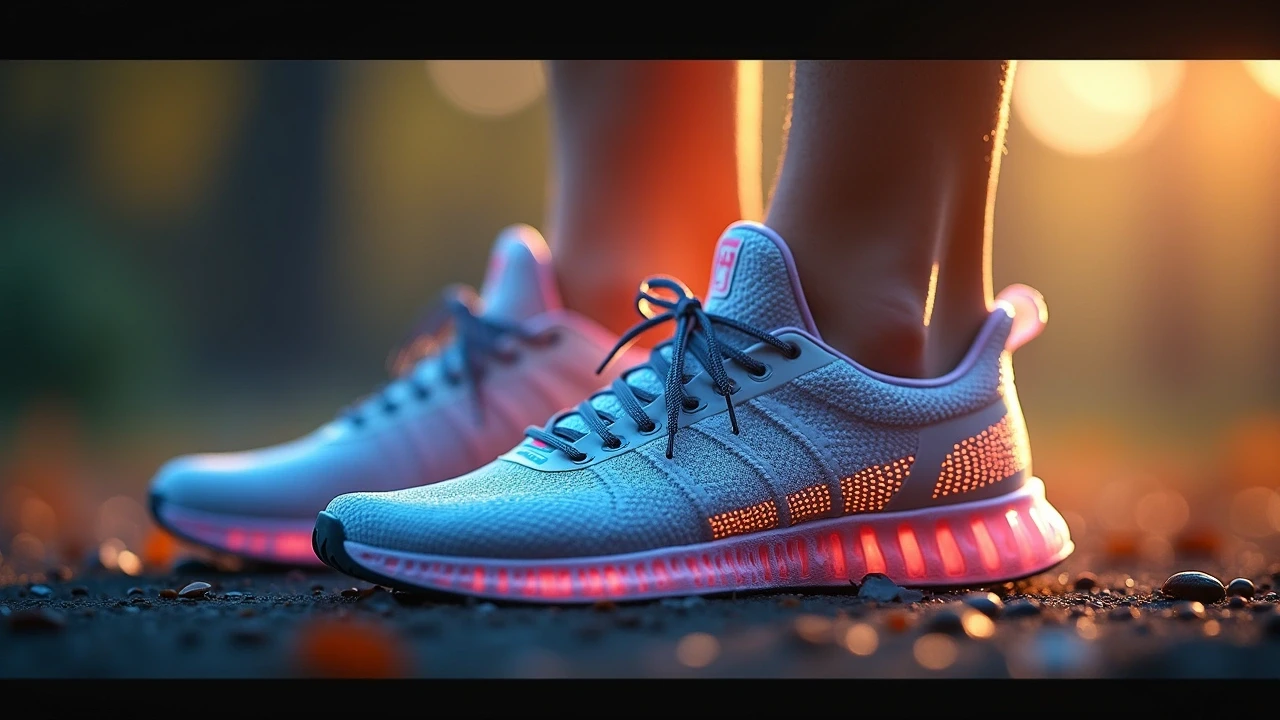
When it comes to choosing the right footwear, factors like style, fit, and durability often take center stage. However, one critical yet sometimes overlooked aspect is breathability—the shoe’s ability to allow air flow and manage moisture inside. Whether you’re hitting the trails in water shoes, navigating the urban jungle in sneakers, or enjoying casual strolls in slip-ons, breathability plays a pivotal role in comfort, foot health, and overall performance. This article explores why ventilation and moisture control matter in footwear and how modern designs meet these needs across diverse shoe categories.
What Is Breathability in Footwear?
Breathability refers to how well a shoe’s materials and construction allow air to circulate around your foot, helping to regulate temperature and wick away moisture such as sweat. Proper ventilation prevents heat buildup, reduces dampness, and creates a fresher environment inside the shoe.
Moisture control is closely linked—effective footwear not only facilitates airflow but also manages sweat and external moisture by promoting quick drying and drainage, keeping feet dry and comfortable during prolonged wear.
Why Breathability Is Crucial for Footwear Comfort and Health
Prevents Overheating and Discomfort
Feet can generate a surprising amount of heat and sweat, especially during physical activities or in warm climates. Shoes lacking proper ventilation trap heat and moisture, leading to an uncomfortable, clammy feeling. This can distract from your performance and reduce overall enjoyment, whether you’re running errands or engaging in intense water sports.
Reduces Risk of Odor and Infections
Excess moisture inside shoes creates an ideal environment for bacteria and fungi to thrive, causing unpleasant odors and increasing the risk of athlete’s foot and other infections. Breathable footwear helps keep feet dry, limiting microbial growth and maintaining better hygiene.
Enhances Performance
Dry, well-ventilated feet are less prone to slipping and blistering, which are common issues when moisture accumulates. Proper ventilation and moisture management improve grip, stability, and comfort—key for water shoes crossing slippery rocks, urban sneakers tackling busy streets, or casual slip-ons worn all day.
How Different Footwear Categories Address Breathability
Water Shoes and Barefoot Shoes
Designed for aquatic and outdoor environments, water shoes prioritize advanced drainage systems and quick-drying materials like breathable neoprene and polyester mesh. Ventilation here is twofold: letting water flow out rapidly and allowing air in to speed evaporation.
- Drainage Holes and Channels: Many models incorporate sole perforations or side vents that help expel water immediately after swimming or wading.
- UV-Resistant, Quick-Dry Fabrics: These materials not only dry fast but also resist sun damage, maintaining breathability and durability over time.
- Protective Toe Caps and Non-Slip Soles: While offering safety, these features are designed with ventilation in mind, balancing protection without trapping heat.
Urban Sneakers and High-Tops
In urban settings, sneakers blend style and function, using breathable synthetic fabrics and mesh panels to allow airflow without sacrificing durability.
- Mesh Uppers and Ventilation Zones: Strategically placed mesh areas promote circulation around high-sweat zones like the toes and sides.
- Ergonomic Design with Cushioned Insoles: Cushioning materials often include breathable foams that absorb shock while allowing air passage.
- Weather-Resistant Yet Breathable Membranes: Some sneakers feature membranes that block rain but permit moisture vapor to escape, maintaining a dry interior.
Casual Slip-Ons and Low-Tops
For everyday comfort, slip-ons focus on lightweight, breathable materials such as woven textiles and perforated synthetics.
- Elastic and Adjustable Closures: These allow a snug yet flexible fit, improving airflow and reducing pressure points where sweat collects.
- Minimalist Construction: Less bulk means more room for air to circulate, enhancing comfort during extended wear.
- Eco-Friendly EVA Foam Insoles: Many casual shoes use breathable, cushioned insoles made from sustainable materials that wick moisture away.
Materials and Technologies Enhancing Breathability
Modern footwear leverages innovative materials and design features to optimize ventilation and moisture control:
- Breathable Neoprene: Provides flexibility and water resistance while allowing moisture vapor to pass through.
- Quick-Dry Polyester Mesh: Lightweight and durable, this fabric accelerates evaporation of sweat and water.
- Eco-Friendly EVA Foam: Offers cushioning with porous structure facilitating airflow.
- Sophisticated Drainage Systems: Engineered channels and vents that quickly remove water after aquatic activities.
- Non-Toxic Coatings: Applied to fabrics to resist moisture absorption without compromising breathability or environmental safety.
Practical Tips for Choosing Breathable Footwear
- Consider Your Activity: Look for shoes designed specifically for your primary use—water shoes for aquatic adventures, sneakers for urban life, or slip-ons for casual wear—to ensure the ventilation features match your needs.
- Check for Ventilation Features: Mesh panels, drainage holes, and breathable uppers are good indicators of airflow capability.
- Prioritize Moisture-Wicking Materials: Shoes made with quick-dry, moisture-wicking fabrics help keep feet dry and comfortable.
- Look for Adjustable Fit Systems: Laces, toggles, or elastic closures that allow proper foot positioning can improve ventilation by reducing tight spots.
- Evaluate Sustainability: Breathable footwear made with eco-friendly materials supports both your comfort and environmental values.
Caring for Breathable Footwear to Maintain Performance
Even the best-ventilated shoes require proper care to sustain their breathability:
- Regular Cleaning: Remove dirt and debris from vents and mesh areas to prevent clogging.
- Prompt Drying: After exposure to water or sweat, air-dry shoes thoroughly in a shaded, ventilated space.
- Use of Deodorizers: Natural foot powders or shoe fresheners can help control moisture and odor buildup.
- Avoid Excessive Heat: High temperatures can damage breathable materials and coatings, reducing their effectiveness.
Conclusion
Breathability is a fundamental feature that significantly impacts comfort, foot health, and performance in footwear across all categories—from water shoes and urban sneakers to casual slip-ons. By understanding how ventilation and moisture control work, and recognizing the materials and technologies that support them, you can make informed choices that keep your feet dry, comfortable, and ready for any adventure. Prioritizing breathable shoes not only enhances your daily experience but also contributes to long-term foot wellbeing and sustainability goals.