
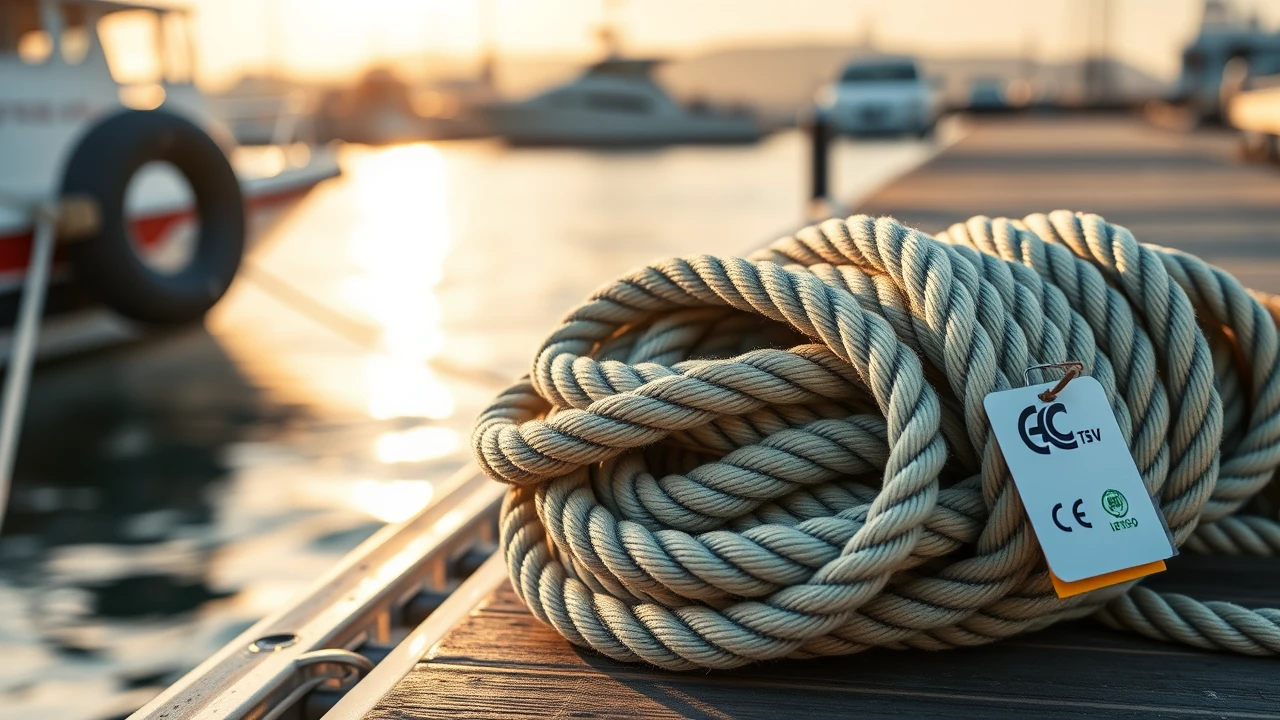
When it comes to choosing marine ropes for boating, water sports, or rescue operations, quality and safety cannot be compromised. These ropes endure harsh environments—exposure to saltwater, UV rays, abrasion, and heavy loads—and must perform reliably under pressure. This is why certifications such as TÜV, ISO, and CE play a crucial role in guiding consumers toward ropes that meet stringent safety, durability, and environmental standards. Understanding these certifications helps you make informed decisions and ensures you select ropes that protect both users and the marine ecosystem.
Understanding Marine Rope Certifications: What Do They Mean?
Before diving into why these certifications matter, it’s helpful to understand what each represents and how they apply to ropes used in marine and water sports environments.
TÜV Certification
Originating from Germany, TÜV (Technischer Überwachungsverein) is a globally respected independent testing and certification organization. TÜV certification indicates that a product has undergone rigorous safety, quality, and performance tests. For marine ropes, TÜV certification often involves assessing tensile strength, abrasion resistance, UV stability, and compliance with marine safety regulations. This ensures the rope performs reliably in real-world conditions.
ISO Standards
The International Organization for Standardization (ISO) develops international standards to ensure products and services are safe, reliable, and of good quality. Several ISO standards relate to rope manufacturing, including those focusing on material properties, load testing, and environmental impact. A marine rope meeting ISO standards has been verified to comply with internationally recognized benchmarks for strength, durability, and safety.
CE Marking
CE marking is a mandatory conformity mark for products sold within the European Economic Area (EEA). It indicates that the product meets EU safety, health, and environmental protection requirements. For marine ropes, CE marking confirms that the rope adheres to relevant directives, such as personal protective equipment (PPE) standards when used in rescue or safety applications.
Why Certifications Matter in Marine Ropes
1. Guarantee of Safety and Reliability
Marine ropes are critical safety components in activities ranging from docking boats to towing water skiers and performing emergency rescues. Certified ropes have passed standardized tests that confirm their ability to withstand expected loads, resist wear and tear, and maintain performance under challenging conditions. This reliability reduces the risk of rope failure, which can have severe consequences on safety.
2. Assurance of Material Quality and Durability
Certified ropes typically use high-grade materials such as nylon, polyester, polypropylene, or braided polyethylene, all chosen for their strength, UV resistance, waterproof properties, and buoyancy. Certification processes verify that these materials meet durability standards, ensuring the rope can resist saltwater corrosion, abrasion, and prolonged sun exposure. This means less frequent replacements and safer usage over time.
3. Compliance with Environmental and Manufacturing Standards
Many certifications also evaluate environmental responsibility. Ropes with TÜV, ISO, or CE marks may be produced using eco-conscious methods, including biodegradable coatings and recyclable components. This is increasingly important for consumers and professionals who want to minimize their ecological footprint while maintaining high performance.
4. Confidence in Ergonomic and Safety Features
Beyond the rope itself, certifications may cover additional features such as ergonomic handles made from EVA foam or rubber, reinforced loops, and quick-release mechanisms. These elements enhance user comfort and safety, especially in high-stress scenarios like rescue operations or competitive water sports. Certified products are subject to tests that confirm these features function as intended without compromising strength or safety.
How Certifications Influence Your Purchase Decision
Match Certification to Your Activity
Different marine activities impose distinct demands on ropes. For example:
- Wakeboarding and water skiing require floating ropes with excellent tensile strength and abrasion resistance.
- Tow ropes for inflatable tubes benefit from quick-release mechanisms and buoyant materials.
- Anchor and docking lines need UV resistance and durability under constant tension.
- Rescue ropes must comply with stringent PPE standards and feature high visibility and rapid deployment capabilities.
Selecting ropes with the right certifications assures you the product is fit for its intended use and meets critical safety benchmarks.
Understand the Technical Specifications Behind Certifications
Certified ropes often provide detailed specifications on length, diameter, tensile strength, and material composition. For example, a TÜV-certified 12mm diameter rope rated for 2,500 lbs tensile strength can be trusted for demanding towing or rescue operations. Knowing how certifications relate to these specifications helps you choose the appropriate rope thickness and strength for your needs.
Look for Environmental Certifications Alongside Safety Marks
If sustainability is a priority, seek ropes that combine safety certifications with eco-friendly attributes. Some certified ropes feature biodegradable coatings or recyclable components verified through environmental standards integrated into certification processes. This dual assurance supports both performance and environmental stewardship.
Additional Tips for Maximizing Rope Safety and Longevity
Proper Maintenance and Inspection
Even certified ropes require regular inspection for signs of wear, fraying, or UV damage. Clean ropes with fresh water after exposure to saltwater, and store them in dry, shaded places. Following manufacturer maintenance guidelines helps preserve the rope’s certified performance qualities.
Matching Rope Features with Use Conditions
Consider whether you need floating versus non-floating ropes based on your activity. Floating ropes enhance safety by staying visible and accessible on water surfaces, while non-floating ropes might be preferred for anchoring or docking where submersion is expected.
Ergonomics and Ease of Handling
Certified ropes often feature ergonomic handles and quick-release mechanisms designed to reduce fatigue and enhance safety. These user-centric features are often part of the certification assessment, so look for them when ease of handling matters.
Conclusion
Certifications like TÜV, ISO, and CE provide vital assurances of quality, safety, and environmental responsibility in marine ropes. For anyone involved in boating, water sports, or rescue operations, understanding these certifications can make the difference between safe, reliable performance and unexpected failure. By choosing certified ropes, you invest in products tested to withstand the marine environment’s toughest challenges, protect users, and respect ecological concerns. Always consider these marks of quality as a key factor in selecting the best rope for your specific needs, ensuring safety and durability on every adventure or mission.