
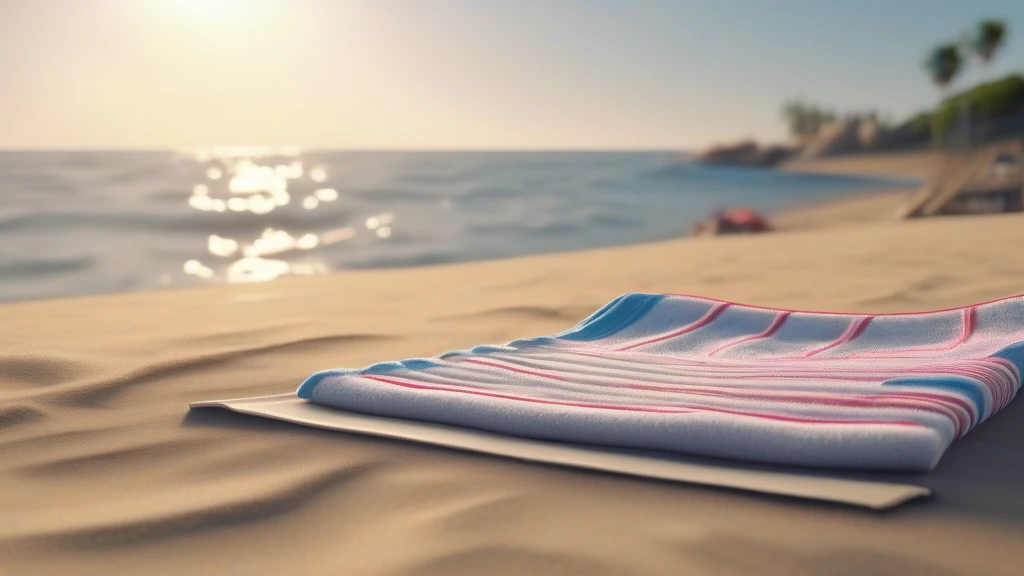
When it comes to choosing the perfect beach towel or an all-purpose outdoor towel, durability is a key factor that often gets overlooked. For beachgoers, travelers, campers, gym enthusiasts, and families alike, a towel is more than just a piece of fabric—it’s an essential companion that must withstand frequent use, rough surfaces, and challenging environments. Two important durability features that make a significant difference in towel longevity and performance are reinforced borders and abrasion resistance. This article explores why these features matter, how they contribute to towel quality, and what you should look for to ensure your towel stands the test of time.
The Importance of Durability in Beach and Outdoor Towels
Outdoor and beach towels face a unique set of challenges compared to regular bath towels. They are exposed to sand, saltwater, sun, rough surfaces like rocks or pool decks, and frequent washing. Moreover, their portability demands that they be lightweight yet tough enough to handle constant folding, stuffing into bags, and repeated use.
Durability in towels directly affects:
- Longevity: How long your towel remains in good condition despite frequent use.
- Appearance: Avoiding frayed edges, tears, or thinning fabric preserves the towel’s look.
- Performance: Maintaining absorbency, quick-drying properties, and softness over time.
- Value: Durable towels reduce the need for frequent replacements, saving money and reducing waste.
Understanding the role of reinforced borders and abrasion resistance helps consumers make informed choices that align with their active, outdoor lifestyles.
What Are Reinforced Borders and Why Do They Matter?
Definition and Purpose
Reinforced borders are strengthened edges of a towel, typically created through double stitching, hemming, or binding techniques. Rather than a simple single stitch, reinforced borders use extra layers of thread or fabric to fortify the towel’s perimeter.
How Reinforced Borders Enhance Durability
- Prevention of Fraying: The edges of towels are prone to unraveling because they are constantly folded, dragged, and exposed. Reinforced borders lock the threads in place, preventing frayed edges.
- Resistance to Tearing: Extra stitching adds tensile strength to the edges, which are the most vulnerable points during handling and washing.
- Shape Retention: Reinforced borders help towels maintain their original shape and size, reducing curling or warping.
- Improved Aesthetic Longevity: Neat, strong edges keep towels looking fresh and well-maintained even after multiple washes.
Examples in Everyday Use
Imagine a beach towel dragged over coarse sand or a rocky surface. Without reinforced borders, the towel’s edges would quickly start to unravel, leading to holes and a ragged appearance. A gym towel tossed into a bag filled with other gear benefits from reinforced borders by avoiding premature fraying caused by friction.
Understanding Abrasion Resistance in Towels
What is Abrasion Resistance?
Abrasion resistance refers to a towel's ability to withstand surface wear caused by friction and rubbing. This is especially important for towels used in outdoor and active scenarios, where they come into contact with rough textures such as sand, rocks, pool decks, or even backpacks.
Why Abrasion Resistance Matters for Beach and Outdoor Towels
- Enhanced Durability on Rough Surfaces: Towels with high abrasion resistance maintain their integrity despite repeated rubbing against coarse materials.
- Preservation of Fabric Quality: Abrasion-resistant fabrics resist pilling, thinning, and surface fuzz, which degrade towel softness and appearance.
- Maintaining Absorbency and Quick-Dry Properties: Damage from abrasion can create holes or thin spots that compromise a towel’s ability to absorb moisture and dry quickly.
- Better Hygiene: Towels that remain intact and smooth are less likely to trap sand and dirt in worn fibers, supporting cleanliness.
Materials and Construction Techniques That Boost Abrasion Resistance
- Microfiber: Tightly woven synthetic fibers offer excellent abrasion resistance while being lightweight and quick-drying.
- Polyester Blends: Combining natural fibers like cotton with polyester enhances resistance to wear and tear.
- High-Quality Organic Cotton: Long-staple cotton fibers are stronger and more resilient than standard cotton.
- Double Weaves or Terry Cloth: Textures designed for durability without sacrificing softness.
- Special Coatings or Treatments: Some towels include abrasion-resistant finishes that protect fibers from damage.
How to Identify Towels with Reinforced Borders and Abrasion Resistance
When shopping for a high-quality beach or outdoor towel, consider these practical tips:
Inspect the Edges
- Look for double or triple stitching along the borders.
- Check for hemmed or bound edges that appear thicker and sturdier.
- Avoid towels with simple single-stitched edges or loose threads.
Feel the Fabric
- Run your hand over the towel surface to assess texture and thickness.
- Durable towels tend to feel substantial without being overly heavy.
- Check for signs of quality weave or tight stitching.
Review Material Composition
- Towels made from microfiber, polyester blends, or long-staple cotton often offer better abrasion resistance.
- Bamboo towels can also provide durability with added softness and eco-friendliness.
Check for Certifications
- Certifications like Oeko-Tex, GOTS, or ISO may indicate higher manufacturing standards that include durability testing.
- Look for product details mentioning abrasion resistance or reinforced borders explicitly.
Caring for Durable Towels to Maximize Their Lifespan
Even the most durable towels require proper care to maintain reinforced borders and abrasion resistance:
- Follow Washing Instructions: Use gentle cycles and avoid harsh detergents or bleach that can weaken fibers.
- Avoid Fabric Softeners: These can coat fibers, reducing absorbency and potentially weakening fabric strength.
- Air Dry or Tumble Dry Low: High heat can damage fibers and stitching.
- Store Properly: Fold towels neatly and avoid overcrowding to prevent unnecessary abrasion during storage.
- Shake Out Sand and Debris: Removing abrasive particles after use reduces wear.
Conclusion
For active individuals who rely on towels in a variety of outdoor settings, durability is not just a bonus—it’s essential. Reinforced borders protect towels from fraying and tearing, while abrasion resistance ensures they withstand the rough and tumble of beach, travel, and gym environments. By understanding these features and knowing how to identify and care for durable towels, consumers can invest in products that deliver long-lasting performance, maintain their appearance, and provide a reliable companion for all their adventures.
Choosing towels with reinforced borders and abrasion-resistant materials ultimately means enjoying enhanced comfort, functionality, and value—qualities every outdoor enthusiast deserves.