
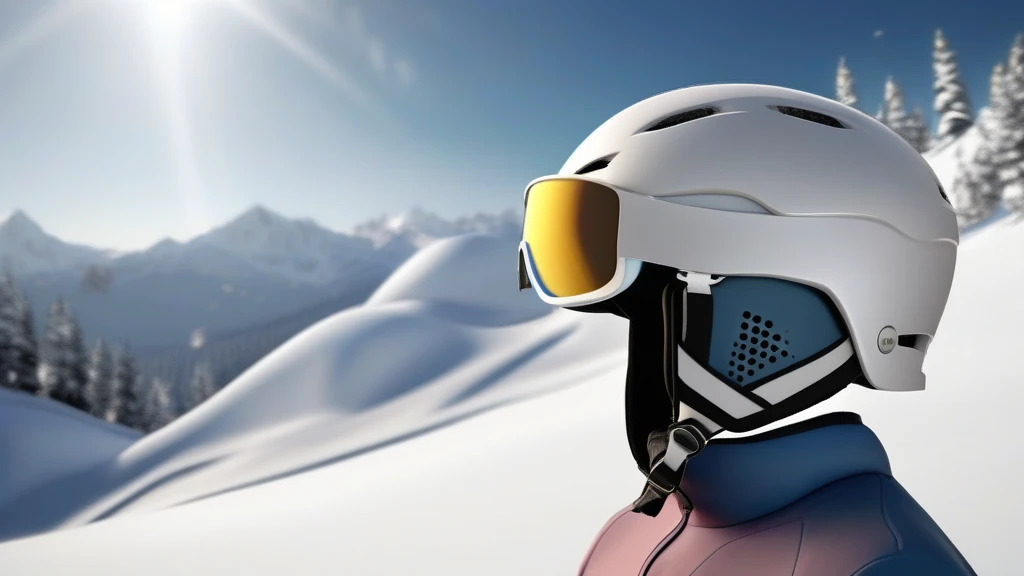
Winter sports like skiing, snowboarding, ice climbing, and snowmobiling offer exhilarating experiences but also carry inherent risks—especially to the head. Choosing the right helmet is crucial for protecting yourself on the slopes or trails, and recent advancements in impact mitigation technology have significantly improved helmet safety. One such innovation, MIPS (Multi-directional Impact Protection System), is transforming how helmets absorb and reduce forces during falls and collisions.
In this article, we’ll explore why MIPS technology matters in winter sports helmets and how it enhances your safety beyond traditional protection methods. Understanding these benefits can help you make more informed decisions when selecting a helmet tailored to your activity, skill level, and comfort preferences.
Understanding the Role of Helmets in Winter Sports Safety
Before diving into MIPS specifically, it’s important to grasp how helmets protect winter sports enthusiasts. Certified ski and snowboard helmets meet stringent safety standards such as CE EN 1077, ASTM F2040, and ISO certifications. These standards ensure helmets can withstand impacts common in alpine environments.
Typical helmets feature:
- Durable outer shells made from materials like polycarbonate, ABS, carbon fiber, or composite blends that resist penetration.
- Energy-absorbing EPS foam liners that compress on impact to reduce force transmitted to the skull.
- Adjustable fit systems and ventilation to maintain comfort during long days in cold or variable weather.
While these elements provide robust protection, real-world impacts often involve rotational forces—not just direct hits. This is where MIPS technology plays a vital role.
What is MIPS Technology?
MIPS stands for Multi-directional Impact Protection System. It is a low-friction layer integrated inside the helmet that allows a slight rotational movement between the helmet shell and your head upon impact. This movement helps redirect and reduce the rotational forces that commonly occur during angled impacts or falls.
Why does this matter? When the head is subjected to rotational forces, the brain can experience shearing—a major cause of concussions and other traumatic brain injuries. Traditional helmets primarily focus on linear impacts but may not fully address these rotational forces.
By enabling the helmet to slide slightly relative to the head, MIPS technology reduces the rotational energy transferred to the brain, potentially lowering the risk and severity of injury.
How MIPS Enhances Protection in Winter Sports Helmets
1. Better Defense Against Angular Impacts
Winter sports accidents often involve falls at an angle—whether catching an edge on skis, tumbling off a snowboard jump, or slipping on icy terrain. These angled impacts generate rotational forces that non-MIPS helmets absorb less effectively.
MIPS-equipped helmets are designed to mitigate these forces, offering an extra layer of protection tailored to the unique dynamics of winter sports falls.
2. Complements Existing Safety Features
MIPS technology does not replace the EPS foam or the robust outer shell but works in tandem with them. The foam liner absorbs linear impact energy, while the MIPS layer addresses rotational energy. Together, they provide a more comprehensive impact mitigation system.
3. Minimal Impact on Helmet Weight and Comfort
One concern often raised is whether added safety tech increases helmet weight or reduces comfort. MIPS layers are extremely lightweight and thin, so helmets incorporating MIPS maintain the lightweight, breathable, and ergonomic designs winter athletes expect.
Choosing a MIPS Helmet That Fits Your Winter Sport Needs
While MIPS adds valuable protection, it’s important to select a helmet that matches your specific sport and preferences:
-
Alpine Skiing and Snowboarding: Look for helmets with multiple ventilation options, goggle integration systems (magnetic or clip-on), and adjustable fit pads. MIPS helmets designed for these sports often balance impact protection with temperature regulation and comfort for all-day wear.
-
Backcountry and Ice Climbing: Durability and multi-impact EPS liners are key, as falls may involve rocks and repeated impacts. MIPS helmets here are typically built with reinforced shells and enhanced fit systems for security on technical terrain.
-
Snowmobiling and Winter Hiking: Helmets may feature windproof liners and removable ear pads to adapt to changing conditions. MIPS helmets in these categories also prioritize visibility and compatibility with communication devices.
Additional Considerations Beyond MIPS
Helmet Fit and Comfort
A properly fitting helmet is essential for safety and effectiveness. Adjustable fit systems like dial-fit mechanisms and multiple size pads ensure a snug, stable fit. Comfort features such as sweat-wicking liners and pressure-free ear pads encourage longer wear without distraction.
Ventilation and Temperature Control
Winter sports demand helmets with adjustable ventilation to prevent overheating during intense activity while retaining warmth in cold conditions. Some helmets include removable vent covers and airflow channels that work in harmony with your layering system.
Environmental Responsibility
Many manufacturers now incorporate sustainable practices, using recyclable materials, low-carbon manufacturing processes, and eco-friendly packaging. Choosing a helmet that aligns with your environmental values adds another layer of satisfaction to your purchase.
Maintaining Your Helmet for Long-Term Safety
To ensure your MIPS helmet continues to provide optimal protection:
- Inspect regularly for cracks, dents, or foam compression after impacts.
- Keep it clean with mild soap and water, avoiding harsh chemicals that degrade materials.
- Store properly away from extreme heat or direct sunlight, which can weaken shell integrity.
- Replace after significant impacts or every few years, as recommended by safety experts, since foam liners degrade over time.
Conclusion
MIPS technology represents a significant advancement in winter sports helmet safety by addressing the rotational forces that contribute to brain injuries during falls and collisions. When combined with certified impact resistance, durable materials, and thoughtful comfort features, MIPS-equipped helmets offer enhanced protection tailored to the dynamic conditions of skiing, snowboarding, ice climbing, and more.
By understanding how MIPS works and considering your specific activity needs, you can choose a helmet that not only meets safety standards but also supports all-day comfort, environmental values, and accessory compatibility. Investing time in selecting the right helmet ensures your winter adventures remain thrilling—and safe.