
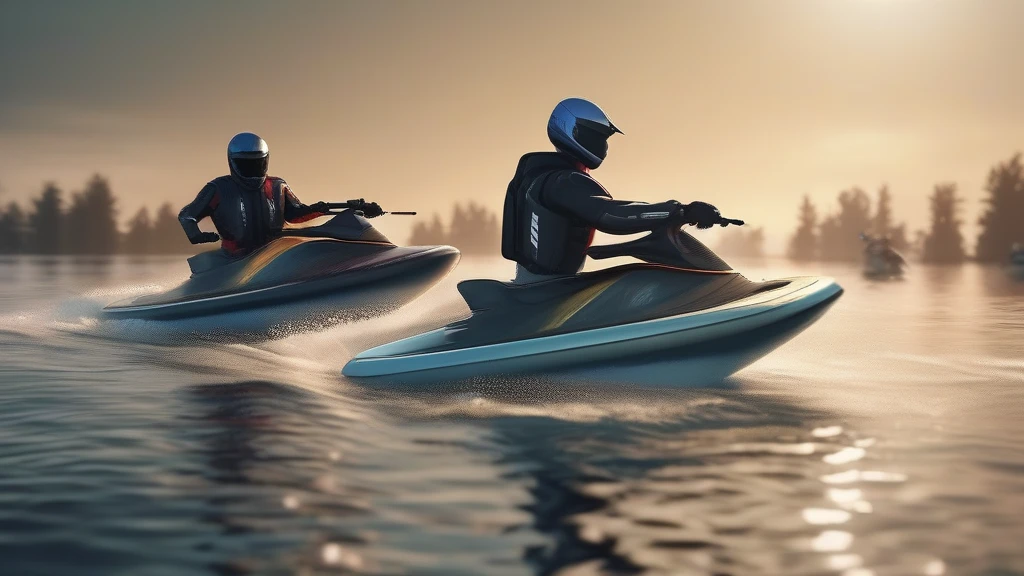
Kneeboarding is an exhilarating water sport enjoyed by many adventure seekers, recreational users, and competitive athletes alike. Choosing the right kneeboard can greatly enhance your experience on the water, whether you're a beginner rider or an advanced enthusiast. In this comprehensive guide, we'll delve into the key factors to consider when selecting a kneeboard, focusing on material, length, and width.
Material: The Foundation of Your Kneeboard
The material of a kneeboard plays a crucial role in its performance, durability, and overall feel. Here are some of the commonly used materials:
Fiberglass
Fiberglass is a popular choice due to its balance between weight, strength, and flexibility. It offers sufficient durability for recreational use while providing the performance needed for more advanced tricks.
Carbon Fiber
If you are looking for superior performance and lightweight design, carbon fiber kneeboards are the way to go. They are exceptionally durable and can withstand the rigors of competitive events and freestyle stunts. However, they come at a higher price point.
Foam Core
Ideal for beginners, foam core kneeboards offer excellent buoyancy and stability. They are often more affordable and easier to handle for novice riders who are just learning the ropes.
EVA Foam Pad
For comfort and support, many kneeboards feature EVA foam padding. This material offers a cushioned surface that is gentle on the knees and provides a non-slip grip during maneuvers.
Composite
Composite kneeboards blend various materials to create a board with a balanced performance profile. They can offer a good compromise between weight, durability, and cost, making them suitable for a wide range of riders.
Polyurethane
Known for its flexibility and durability, polyurethane is another common material used in kneeboard construction. It provides a smooth ride and can handle rough water conditions well.
Length: Tailoring Your Ride
The length of a kneeboard affects its speed, stability, and maneuverability. Here are the different length options and their implications:
50 inches to 54 inches
Shorter kneeboards (50 to 54 inches) are typically more maneuverable and are best suited for trick kneeboarding and advanced riders who prefer a responsive board.
56 inches and Adjustable
Longer boards (56 inches) offer increased stability and are better for beginners and family fun. Adjustable-length boards provide the flexibility to cater to both beginners and more experienced users.
Custom Length
For those looking for a specific performance profile, custom length kneeboards can be tailored to meet individual needs, balancing speed with stability as preferred.
Width: Balancing Stability and Speed
The width of the board influences stability and speed. Here’s what to consider:
20 inches to 22 inches
Narrow boards (20 to 22 inches) are better at slicing through the water, making them faster and more suited for competitive and high-speed kneeboarding. However, they require more skill to handle.
24 inches and Wide Design
Wider boards (24 inches) offer superior stability and are ideal for beginners, family use, and recreational riding. They provide a steady platform that is easy to control.
Adjustable Width
Adjustable width options allow riders to customize the board’s stability and performance to match their skill level and riding conditions.
Selecting the right kneeboard involves considering a variety of factors, including the material, length, and width of the board. Whether you're just starting out or looking to enhance your competitive edge, understanding these elements will help you make an informed decision. At Barca Sports, we offer a wide range of kneeboards to suit every rider's needs. Visit our store to find the perfect match for your water adventures!