
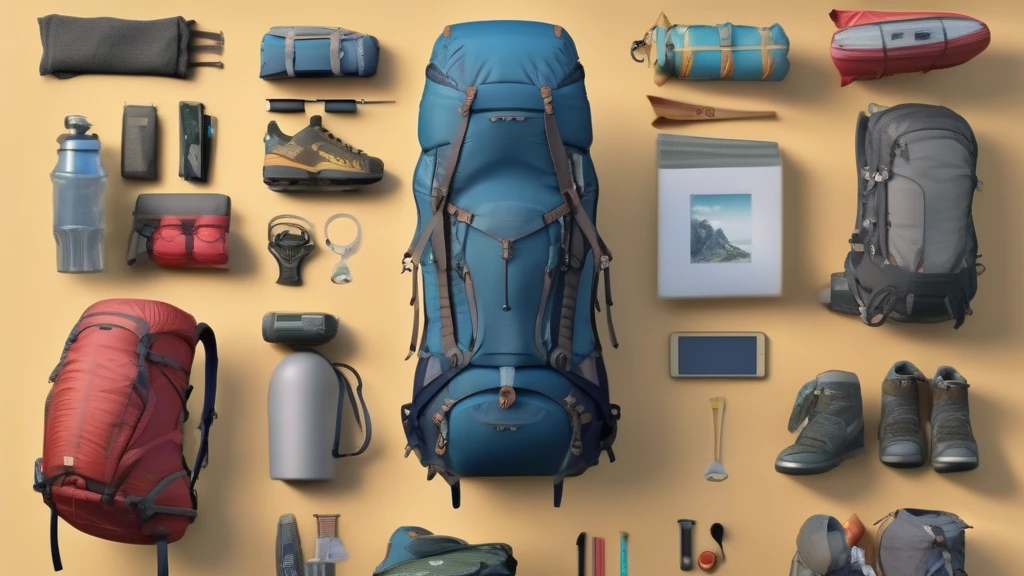
When it comes to outdoor adventures, having the right gear can make all the difference. One of the essential pieces of equipment for hikers, paddleboarders, skiers, snowboarders, and adventure travelers is the touring backpack. Whether you are hitting the slopes, trails, or waterways, selecting the appropriate backpack for your needs involves considering several important factors: features, comfort, and capacity.
Features to Look For
A good touring backpack should come equipped with various features tailored to your specific activities. For instance, if you are a skier or snowboarder, look for backpacks with snow tool pockets, gear straps to hold your skis or board, and waterproof fabric. Paddleboarders will benefit from padded straps and hydration bladders for those long days on the water. Multi-purpose backpacks, on the other hand, often include padded laptop sleeves and multiple compartments for organizing gear.
Durability is crucial, especially in harsh outdoor conditions. Opt for materials such as ripstop polyester, lightweight mesh, or carbon fiber reinforced fabric. Features such as reinforced seams, UV-resistance, and weatherproof ratings ensure that your backpack will withstand the elements.
Safety is another important consideration. Features like reflective strips, emergency whistles, chest and waist straps, and anti-theft zippers provide added security during your adventures. An eco-friendly aspect can also be part of the decision-making process, with options including recyclable and biodegradable materials, low-emission manufacturing, and sustainable production practices.
Comfort Matters
Comfort is paramount when selecting a touring backpack. Look for backpacks with padded back panels and adjustable straps, which can be customized to fit your body perfectly. Ventilated mesh and lumbar support are key for reducing strain during long hikes or skiing sessions. Ergonomic designs and lightweight construction help distribute weight evenly, making your journey more enjoyable.
Choosing a backpack with lightweight materials, like nylon or canvas, can reduce the overall load, and ultralight designs (weighing as little as 1 lb) are perfect for those who need to move quickly without being bogged down by heavy gear.
Capacity Considerations
The capacity of your touring backpack should match the duration and nature of your adventure. Day hikes and short trips generally require backpacks with 20L to 30L capacities, whereas longer expeditions might need 40L to 50L or even adjustable designs that can expand as needed. Compact designs help ensure you are not carrying more than necessary, but you have ample space for essential items.
Pockets play a significant role in organizing your gear. Main compartments, side pockets, front zipper pockets, hydration sleeves, and hidden pockets keep everything in its place. This organization is critical when you need quick access to tools, snacks, or emergency supplies.
Finding the Right Balance
Ultimately, the best touring backpack for you will balance the features, comfort, and capacity according to your unique needs. Leading brands like Osprey, Dakine, Thule, Burton, CamelBak, and Ortovox offer a range of options, each designed to enhance your outdoor experience. Price points vary from $49.99 to $199.99, ensuring options for every budget.
Keep in mind the warranty and certification of the backpack. A good warranty, ranging from 6 months to a lifetime, indicates the manufacturer's confidence in their product. Certifications such as ISO, CE, or TÜV ensure the backpack has been tested for safety and durability.
Conclusion
Choosing the right touring backpack requires careful consideration of features, comfort, and capacity. Whether you are commuting, exploring new trails, hitting the slopes, or paddling on a serene lake, the perfect backpack will make your journey more enjoyable and efficient. By prioritizing the factors that matter most to you, you can select a backpack that meets all your adventure needs while providing superior comfort and durability.