
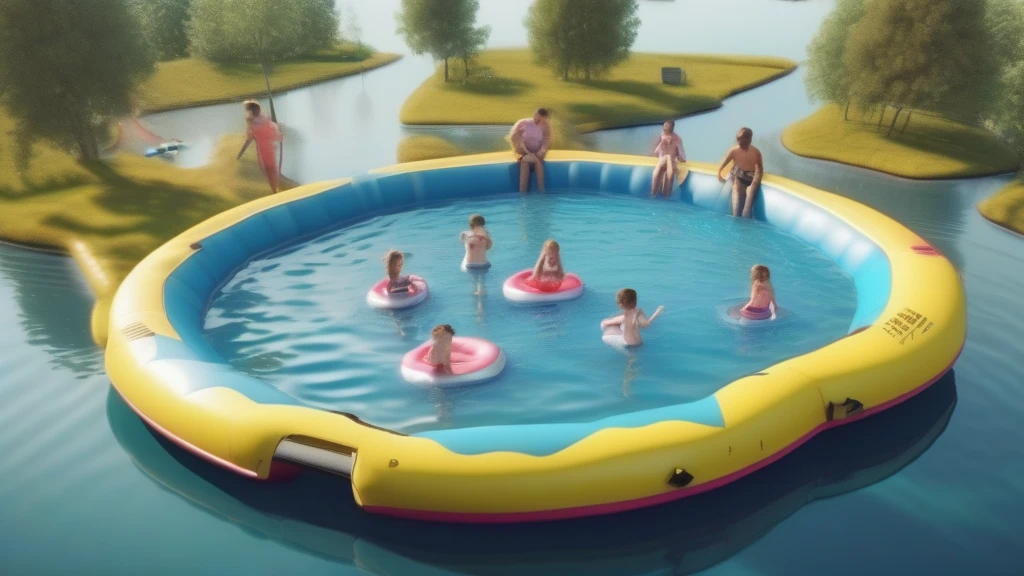
Water trampolines offer a unique and exhilarating way for kids and families to enjoy their time on the water. But with all the fun and excitement, safety should always be the top priority. Understanding the essential safety features of water trampolines can help ensure that your experience is as safe as it is enjoyable.
Water trampolines fall under several categories, including Floating Water Trampolines, Inflatable Water Bouncers, and Modular Floating Trampolines. Each has specific attributes designed to cater to various users' needs, such as families, kids, water sports enthusiasts, beachgoers, campers, and party groups.
Padded Edges
One of the most crucial safety features of water trampolines is padded edges. These padded areas are essential for preventing injuries when kids and adults alike fall or jump inadvertently onto the trampoline's frame. The padding is often made from high-density foam covered by durable, tear-resistant, UV-resistant materials to withstand prolonged exposure to the sun and water.
Non-Slip Surface
A non-slip surface is another important feature that ensures safety on water trampolines. This type of surface helps prevent slips and falls while jumping or boarding the trampoline. Made from textured PVC or marine-grade fabric, these surfaces offer good traction even when wet, minimizing the risk of accidents.
Secure Anchor Points
Proper anchoring is vital to keeping your water trampoline in place, especially in windy conditions or strong currents. Secure anchor points, including built-in anchor points, rope loops, heavy-duty straps, and D-ring attachments, ensure the trampoline stays positioned correctly. Reinforced anchor handles and sandbag anchors provide extra stability and prevent drift.
Protective Enclosure
Many modern water trampolines come equipped with protective enclosures or barriers. These enclosures help keep jumpers safely contained within the trampoline area and prevent accidental falls into the water. Protective enclosures are typically made from durable mesh or similar materials that allow for excellent visibility and water drainage while ensuring safety.
Durable Welded Seams
To prevent air leaks and ensure longevity, water trampolines feature durable welded seams. High-frequency welding techniques create strong, airtight seals between sections of the trampoline, ensuring the structure remains buoyant and safe to use. Seam durability is critical, particularly for heavy-duty and high-capacity trampolines that need to withstand significant loads.
UV-Resistant Fabric
Water trampolines are often exposed to direct sunlight for extended periods, making UV-resistant fabric an essential safety feature. Ultraviolet (UV) rays can degrade materials over time, leading to weakening and potential failure. UV-resistant fabric prevents this degradation, extending the lifespan of the trampoline and ensuring it remains safe to use.
High-Quality Materials
The choice of materials significantly impacts the safety and durability of water trampolines. Premium water trampolines are constructed from materials like reinforced vinyl, marine-grade fabric, nylon stitching, and heavy-duty air bladders. These materials offer excellent resistance to punctures, tears, and UV damage, ensuring the trampoline remains safe and functional for years.
Inflation Systems
Quick and efficient inflation systems are critical for setting up water trampolines safely and correctly. Many trampolines feature dual-action pumps, electric pump compatibility, or rapid inflation technology, reducing the time and effort needed to set up the trampoline. Proper inflation also ensures maximum buoyancy and stability, essential for safe use.
Ladder and Access Points
Safe access to the trampoline is essential, especially for younger children. Rope ladders, inflatable ladders, or molded plastic steps provide secure and easy entry and exit points. These ladders are designed to be stable and slip-resistant, allowing users of all ages to climb on and off the trampoline safely.
Weight Capacity
Water trampolines come in various weight capacities, ranging from 500 lbs to heavy-duty capacities of 1,200 lbs. Choosing a trampoline with the appropriate weight capacity for your family or group ensures that it remains stable and safe during use. Overloading a trampoline can lead to instability and potential accidents.
Certifications
Look for water trampolines that have been certified by reputable testing organizations. Certifications like ASTM, TÜV, ISO, and UV-Resistant ratings indicate that the trampoline has undergone rigorous safety and durability testing. These certifications provide peace of mind, ensuring that the trampoline meets high safety and quality standards.
Repair Kits and Warranties
Accidents can happen, so having a repair kit on hand is always a good idea. These kits typically include patches and adhesives designed specifically for trampoline materials. Additionally, many top brands offer warranties that cover materials, seams, and overall durability for periods ranging from one year to a lifetime. Warranties ensure you are protected in case of manufacturing defects or premature wear.
By understanding these essential safety features, you can select the best water trampoline for your needs, ensuring countless hours of safe and enjoyable water fun for your kids and family. Always remember to follow the manufacturer’s instructions and safety guidelines for the best experience possible.