
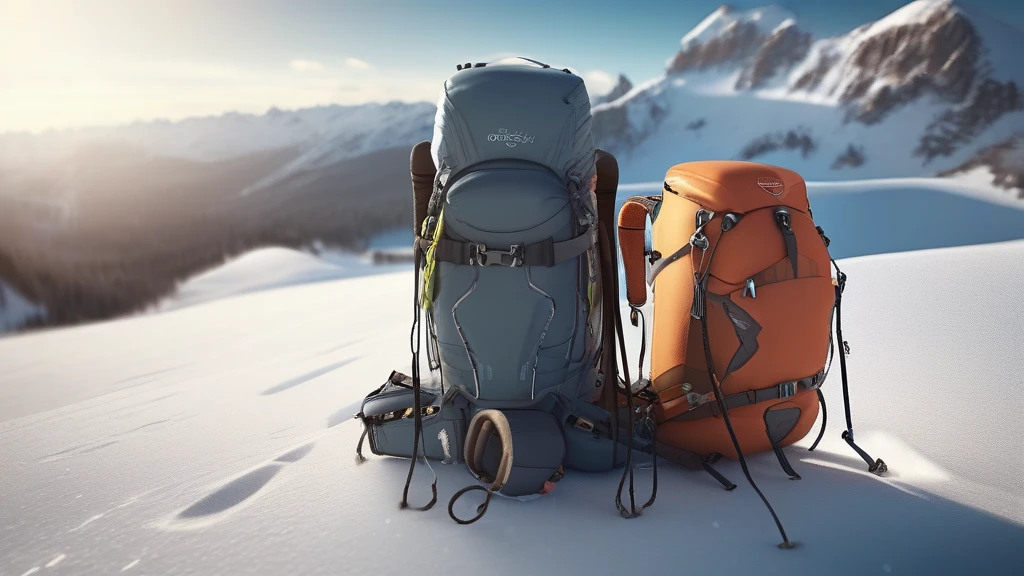
When it comes to transporting your ski gear, choosing the right backpack is essential for comfort, convenience, and durability. In this comprehensive review, we'll explore the leading options from two of the most popular brands in the market: Osprey and CamelBak. Both brands are well-respected for their innovative designs and high-quality construction, but which one stands out for ski gear transport? We’ll break down their offerings based on key attributes, helping you make an informed decision.
Design and Material
Both Osprey and CamelBak have excelled in providing superior design combined with durable materials. Osprey utilizes ripstop nylon and a sturdy, water-resistant fabric that ensures your gear remains dry and protected. CamelBak, on the other hand, focuses on lightweight mesh and waterproof fabric, providing a balance of weight and durability.
Osprey
Osprey ski backpacks are built with the adventurer in mind. The ergonomic design, coupled with adjustable straps and padded back panels, ensure maximum comfort during long trips. The materials are often UV-resistant and tear-resistant, which make them perfect for harsh winter conditions.
CamelBak
CamelBak offers ski backpacks that come with hydration bladders, making it easy to stay hydrated while on the move. These backpacks also feature impact-resistant and high-stress tested materials, ensuring they can withstand rugged use. The reflective strips add an extra layer of safety for visibility during early morning or late night excursions.
Capacity and Weight
Capacity is a crucial factor when choosing a ski backpack, as it determines how much gear you can carry without feeling overloaded.
Osprey
Osprey’s ranges vary from compact 20L models to larger 50L options, providing plenty of space for all your essentials. Osprey is known for optimizing weight distribution with their ergonomic designs, making even the more substantial packs feel manageable. Their lightweight models, starting at 1 lb, are perfect for day trips and light packing.
CamelBak
CamelBak also offers a range of capacities from 20L to 50L. They focus heavily on lightweight and ultra-light designs, with packs starting at just 1.5 lbs. This lightness, combined with their hydration systems, makes them an ideal choice for skiers looking for minimal weight without sacrificing capacity.
Portability and Comfort
The portability of a ski backpack includes the ease of carrying it and storing it when not in use.
Osprey
Osprey backpacks are designed for portability, featuring carry handles, padded straps, and foldable designs for easy storage. Their adjustable fits ensure that everyone can find a comfortable carry method, regardless of body type or size.
CamelBak
CamelBak offers compact, foldable designs with padded straps and adjustable fits. Many of their models include specialized compartments for hydration bladders, which can be a significant advantage during intense activities. The emphasis on lightweight construction further enhances portability and comfort.
Durability and Safety Features
When you’re skiing, you need a backpack that can handle the elements and keep your gear safe.
Osprey
Osprey backpacks are known for their durability. They include features like tear-resistant fabric, reinforced seams, and high-stress tested materials. Additional safety features include reflective strips, chest and waist straps, and emergency whistles, ensuring you’re prepared for any situation.
CamelBak
CamelBak also emphasizes durability with waterproof and impact-resistant materials. Their packs come with reflective strips, anti-theft zippers, and reinforced seams to enhance both safety and longevity.
Additional Features
Sometimes, it’s the extra features that make the difference between a good and a great ski backpack.
Osprey
Osprey backpacks come with various practical extras like snow tool pockets, padded laptop sleeves, and gear straps. Many models include a warranty ranging from 1 year to a lifetime, offering peace of mind with your purchase.
CamelBak
CamelBak includes features like hydration bladders, hidden pockets, and snow tool pockets. Their emphasis on hydration and easy-access pockets can be particularly beneficial during long skiing sessions. Warranties typically range from 1 year to a lifetime, depending on the model.
In conclusion, both Osprey and CamelBak offer excellent options for ski gear transport backpacks. Your choice ultimately depends on your specific needs, such as capacity, weight, additional features, and personal preferences. Osprey may be ideal for those prioritizing durability and comfort, while CamelBak stands out for hydration and lightweight designs.
Before purchasing, we recommend trying on both brands and considering what features matter most for your skiing adventures.